The Mortgage Doesn’t Get Easier After Service
Many veterans return to civilian life with inconsistent income, delayed benefits, or jobs that don’t match their previous earnings. Yet the mortgage remains fixed, month after month. You may have bought your home when things felt stable. But life changes—suddenly or slowly—and it’s easy to fall into a pattern of just trying to stay afloat.
For low- or moderate-income veterans, even a single unexpected cost—car repair, utility spike, medical bill—can disrupt the delicate balance of homeownership. And the pressure that comes with it isn’t just financial. It’s personal.
Maintenance Can Become a Hidden Threat
If you’re living with physical limitations, PTSD, chronic pain, or other service-related challenges, home repairs aren’t just annoying—they can be dangerous or impossible to handle. Fixing that leaky faucet or climbing the ladder to clean the gutters may feel out of reach. So you delay. And delay again. Until the little problem becomes a big one.
The hard truth is this: every day a repair is left undone, it threatens not only your property value but your peace of mind.
Not Every Home Is Built for the Life You’re Living Now
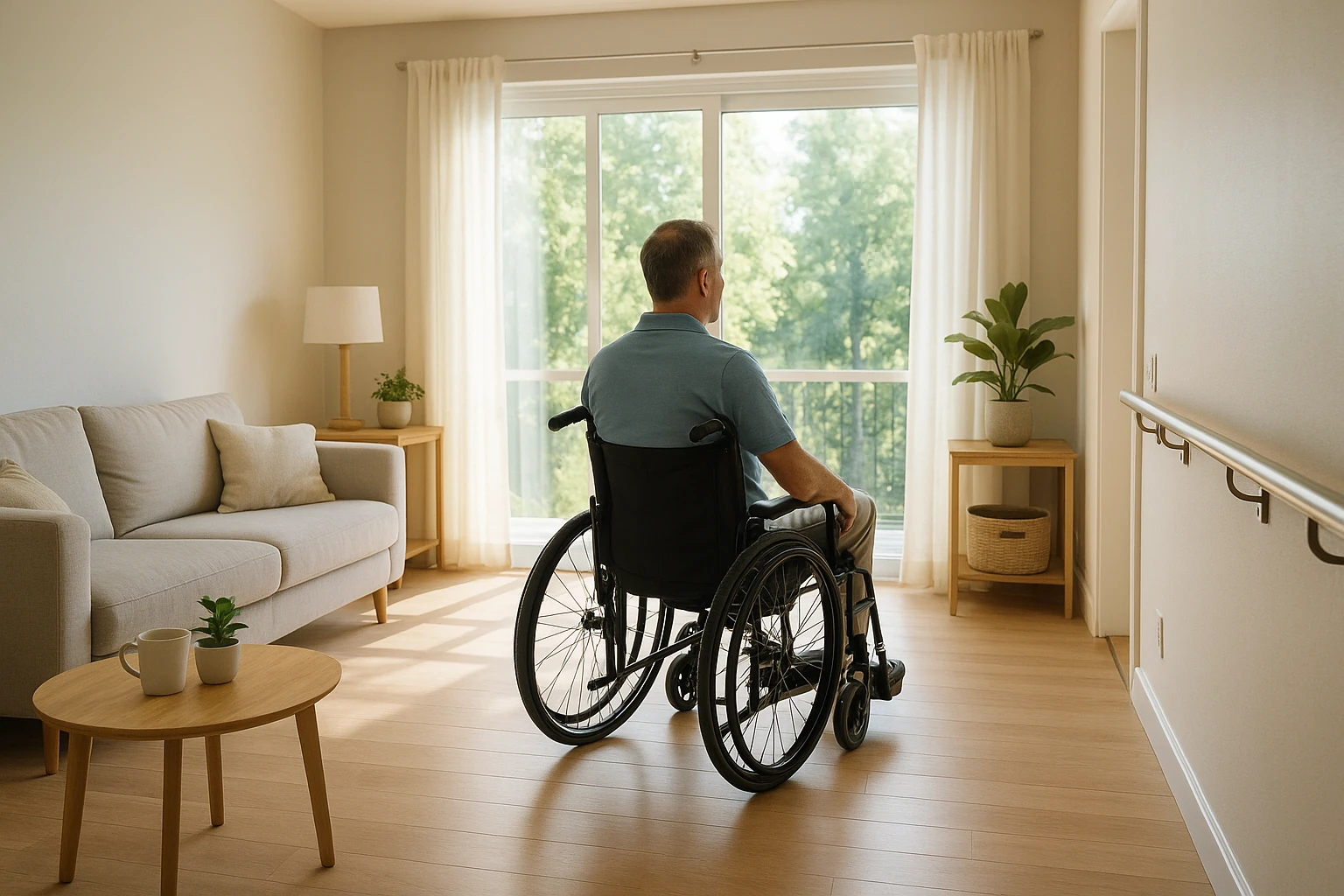
Maybe the home was perfect when you bought it. But now, you’re older. You’re navigating a disability. Or you’ve had a major life change—divorce, retirement, or a medical event. Suddenly the stairs are too steep. The bathroom isn’t accessible. The neighborhood no longer feels supportive.
Staying may feel like the path of least resistance. But staying in a space that no longer fits can quietly wear you down, mentally and physically, until the home you worked hard for becomes more of a burden than a blessing.
Paperwork, Programs, and Benefits—All Add to the Load
Veterans often have access to benefits. But accessing them takes time, knowledge, and persistence—three things many homeowners under stress don’t have to spare. As a result, many veterans leave money on the table, or delay decisions about their home simply because they feel too overwhelmed to act.
That inertia is understandable. But it’s also costly. Because waiting too long to evaluate your real estate options can limit your choices when you need them most.
The Stress Isn’t Always Obvious—But It’s Always There
Even if you’re not talking about it, your home affects your mental health. When the bills are piling up, when the repairs are unmanageable, when your space doesn’t match your needs, it builds pressure in the background. You might feel irritable, tired, disconnected. You may chalk it up to aging, to routine, to “just having a rough week.”
But in many cases, the home environment is the root. And once you recognize that, you can start making decisions that restore balance instead of sacrificing it.
Common Warning Signs for Veterans to Watch For:
-
Mortgage payments are being made late—or skipped entirely
-
Home maintenance is falling behind due to time, budget, or physical limitations
-
The home layout is no longer compatible with physical or mental health needs
-
Property taxes or insurance costs are climbing and creating financial strain
-
You feel isolated, overwhelmed, or unsure of what to do next
Your Home Should Work for You—Not Against You
At KING COUNTY REAL ESTATE HELP, we’re not here to offer a one-size-fits-all answer. We’re here to help you think through what your property means to your life today—not ten years ago. We support veterans like you in evaluating whether your home is helping you maintain the stable, healthy life you deserve—or quietly making things harder.
Our mission is simple: to give you the tools to make better real estate decisions, especially when your circumstances change. We work specifically with homeowners—veterans who need to weigh their options before hardship becomes crisis.