Veterans Assistance: Finding suitable housing adapted for veterans with disabilities
You've already done the hard part. You served. You adapted. You carried the weight of a country. Now you're home, and yet one of the most basic things a person should have-a safe, stable, suitable place to live-feels anything but simple.
If you're a veteran living with a disability, the home you live in matters just as much as the care you receive. The design of your space. The location. The safety. The cost. These things don't just affect comfort-they affect your health, your independence, and your peace of mind.
At KING COUNTY REAL ESTATE HELP, we focus on one mission: helping people in difficult life transitions make better decisions about their real estate. We don't sell anything. We don't ask for donations. We simply provide free, practical resources for low and moderate-income homeowners who are trying to protect their future-especially in times of stress.
This article explores what veterans with disabilities should consider when evaluating their current property-or searching for one that truly fits their needs.
When the Home No Longer Matches the Body
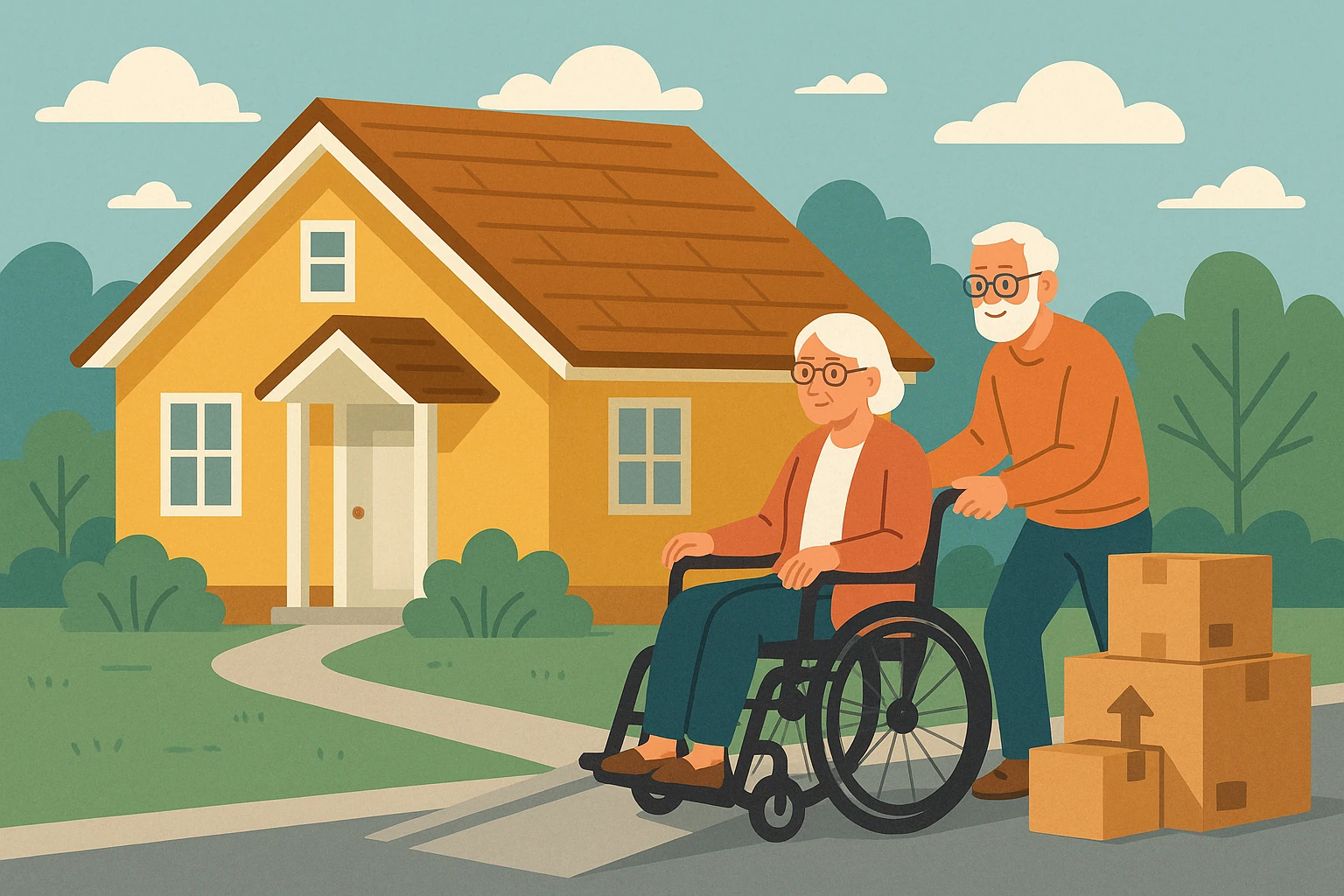
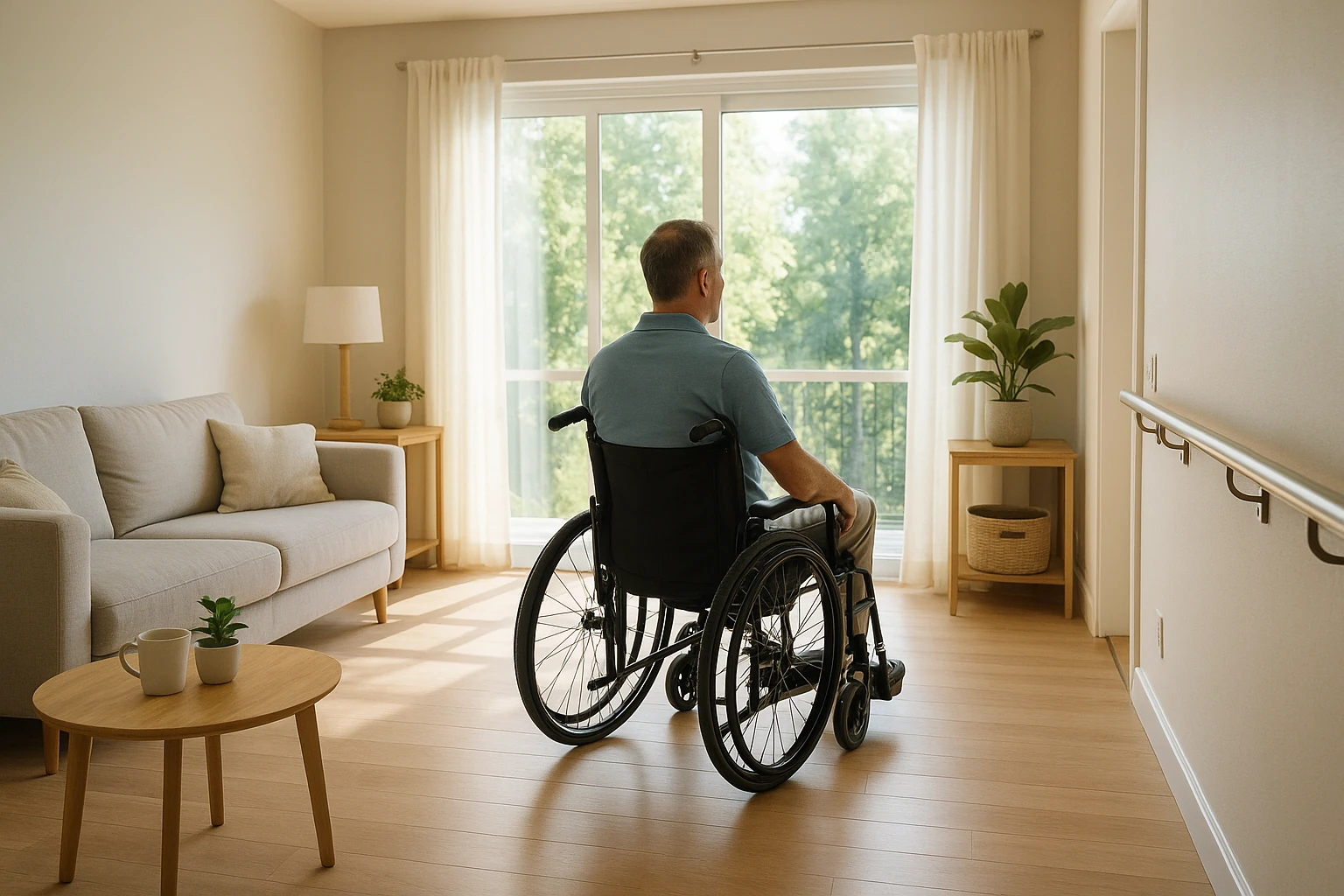
A staircase. A narrow bathroom. A kitchen you can't navigate easily. These are not small inconveniences. For many veterans, they are daily obstacles that create stress, frustration, and even physical risk.
Most homes-especially older ones-are not designed with accessibility in mind. And retrofitting an existing space often takes time, money, and permits that can feel out of reach. Over time, these small physical barriers become emotional ones too. They affect your sense of independence. They chip away at your confidence. And they contribute, silently, to a growing feeling that the home you live in wasn't built for the life you're now living.
Cost Isn't Just About the Mortgage
Even if the house is paid off-or the mortgage is manageable-the costs add up. Widening doorways. Installing ramps. Upgrading bathrooms. Adjusting counters, sinks, hallways, thresholds. Then there's the cost of maintenance. And the emotional cost of relying on someone else just to move around your own space.
For veterans already navigating reduced income or disability benefits, these costs can delay decisions that need to be made now-not years from now. And when those decisions are delayed, the risk of injury, instability, or complete housing loss only increases.
The Location May Not Work Anymore
Living with a disability changes more than the way you use your home. It changes how you use your neighborhood.
You may now need quicker access to healthcare facilities, transportation options, quiet environments, or community support. If your current home is isolated or located far from services, the stress of living there grows daily. And yet many homeowners feel stuck-either emotionally, because the home holds memories, or financially, because they don't know what their options really are.
Independence Is Built Into the Floorplan
The right home does more than shelter you. It supports your ability to care for yourself, move freely, and live with dignity. For disabled veterans, this doesn't just mean adding grab bars in the bathroom. It means rethinking what "home" really looks like.
Are the hallways wide enough for a wheelchair? Can you bathe safely without assistance? Can you use the kitchen? Get to the front door without stairs? Can you go outside without fear?
If the answer is "not really," then what you own may be working against you-and that's something worth addressing, not ignoring.
Evaluating the Emotional Weight of "Staying"
Many veterans feel loyalty to their current home. It may be the house they returned to after service. It may be tied to family, to sacrifice, to pride. But when a home no longer supports your health or your life, staying isn't always the best option-no matter how honorable it feels.
There is no shame in reevaluating. There is only strength in understanding what your property can-or cannot-do for you now, and making decisions that protect your peace of mind moving forward.
Common Issues Veterans with Disabilities Face in Real Estate:
-
Inaccessible layouts that increase daily frustration and risk
-
Homes located far from essential health and support services
-
Properties that require expensive upgrades to meet basic needs
-
Financial strain from living in a home that no longer aligns with your current income or condition
-
Emotional resistance to changing environments, even when the home causes stress
Let the House Support the Life You've Fought For
At KING COUNTY REAL ESTATE HELP, we believe that real estate isn't just about equity or value-it's about stability, health, and human dignity. If you are a veteran with a disability and you own a home, now is the time to ask the right questions. Not because you have to move. But because you deserve to know if staying is truly serving you.
We've created a collection of free materials-checklists, guides, and evaluations-designed specifically for homeowners facing life-altering events. You can access them here on our website anytime.
KING COUNTY REAL ESTATE HELP Serving veterans with information, not pressure. Helping you protect your home-and your peace of mind.
Case related tips