It's shocking. One day, your home stands as it always has-solid, familiar, yours. Then, in one act of senseless destruction, everything feels violated.
Vandalism doesn't just break windows. It breaks trust. It doesn't just leave graffiti on a wall. It leaves a mark on your stability. And when you're already facing financial hardship, job loss, health issues, or other life challenges, even minor damage can feel like the final straw.
At KING COUNTY REAL ESTATE HELP, we understand the unique stress vandalism causes-especially for homeowners already navigating difficult circumstances. Our mission is to help you think clearly, act wisely, and protect your future. That begins with understanding the deeper impact property damage can have on your well-being, your finances, and your ability to stay in control of your home.
This article outlines common issues that often arise after vandalism, especially for low- or moderate-income property owners. You'll find solutions in other parts of our website. Here, we focus on what to watch for-before small damage creates big consequences.
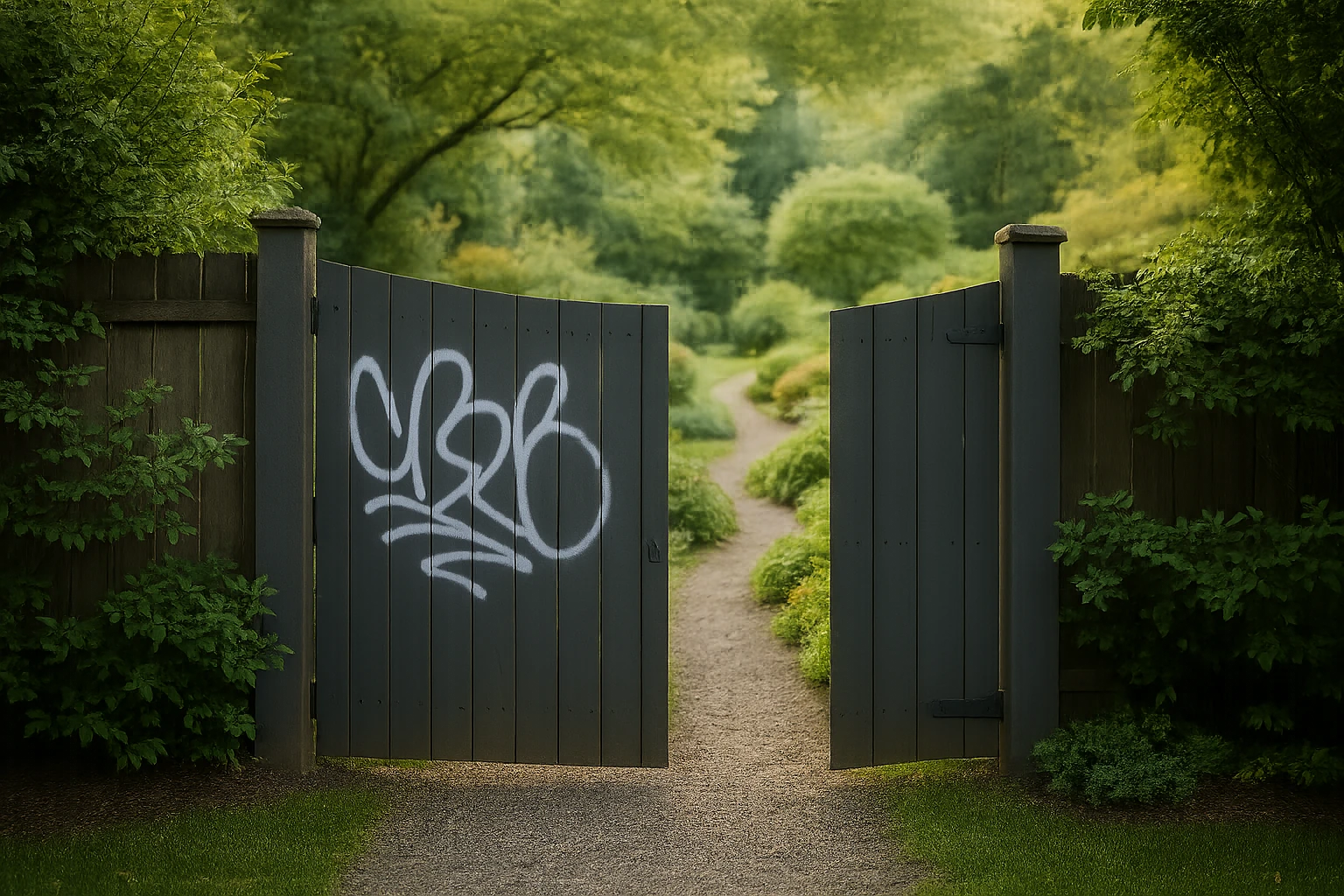
The Emotional Toll Is Immediate-and Often Overlooked
Vandalism is personal. Whether it's shattered glass, spray paint, or broken locks, the message is the same: your safe space has been violated.
Even if the damage is minor, it can create ongoing fear, anxiety, and tension-especially if you live alone, have children, or are recovering from other life hardships. Some homeowners find themselves losing sleep or avoiding areas of their home. Others may feel stuck between anger and helplessness.
If you're already dealing with stress-job loss, divorce, disability-this added layer can quickly lead to burnout. And when emotional energy is drained, it becomes harder to think strategically about your property and finances.
Minor Damage Often Grows Into Major Expenses
Many forms of vandalism start small. A broken lock. A smashed window. A spray-painted fence. But when repairs are delayed-due to lack of time, money, or access to contractors-the damage escalates.
Moisture enters through a cracked window. Pests come in through a broken vent. Paint seeps into porous surfaces, becoming harder and more expensive to remove later.
For homeowners without emergency savings or insurance coverage, even a $200 repair can feel out of reach. So, many do nothing. Unfortunately, waiting often costs more than acting early.
Property Value Can Be Affected Quietly
Visible vandalism doesn't just affect how you feel about your home-it affects how others see it, too. That includes potential buyers, appraisers, and city officials.
In some cases, damaged or neglected areas can lead to lower property valuations, code enforcement fines, or complaints from neighbors. And if you're already considering selling or refinancing, unresolved damage can reduce your options or delay your plans entirely.
What seems like cosmetic damage today might cost you equity-or opportunities-tomorrow.
Insurance Doesn't Always Offer a Clear Path
For homeowners with limited resources, navigating an insurance claim can feel just as stressful as the damage itself. Some find out too late that their policy has exclusions for vandalism, high deductibles, or requirements for police reports that weren't filed.
Others feel overwhelmed by paperwork or unsure whether filing a claim is even worth the potential rate hike. And when money is already tight, it's easy to push the decision aside-leaving the damage untouched, the risk unresolved.
Even when help is technically available, the process can feel inaccessible without support.
Household Stability Begins to Erode
Homes aren't just physical structures-they're emotional anchors. When they start to feel unsafe, unstable, or out of your control, the ripple effects spread fast.
You may find tensions rising within your household. Children may feel scared or unsettled. You may start avoiding parts of the property or worrying about future damage. And when stress grows unchecked, it often leads to impulsive decisions-selling too quickly, borrowing under pressure, or ignoring critical repairs.
That's why early awareness matters. Because the sooner you evaluate what's happening and how it's affecting your stability, the sooner you can begin to take meaningful, thoughtful action.
You're Not Powerless. You're Processing.
Vandalism is invasive, frustrating, and often traumatic. But it doesn't define you-and it doesn't have to define your next move.
At KING COUNTY REAL ESTATE HELP, we don't offer legal advice, insurance policies, or emergency funding. What we do offer is something most homeowners in crisis need more than anything: clear, focused information to support smart decision-making-especially when emotions are high and resources are low.
If your home has been damaged and you're unsure how to move forward, we invite you to explore the materials available here on our website. You'll find insights, guidance, and tools built specifically for property owners like you-people navigating difficult chapters with limited support, but plenty of resilience.
You don't need to rush. But you do need to stay informed.
Case related tips