Veterans Assistance: Community Reintegration Support relocation from remote or isolated areas to move closer to supportive veteran communities
You served your country. You came home. But for many veterans, "home" doesn't feel like home anymore.
Whether you settled in a quiet rural property or inherited a home far from major cities, what once offered peace and privacy can begin to feel like distance-distance from resources, from connection, and from the kind of community that understands what you've been through.
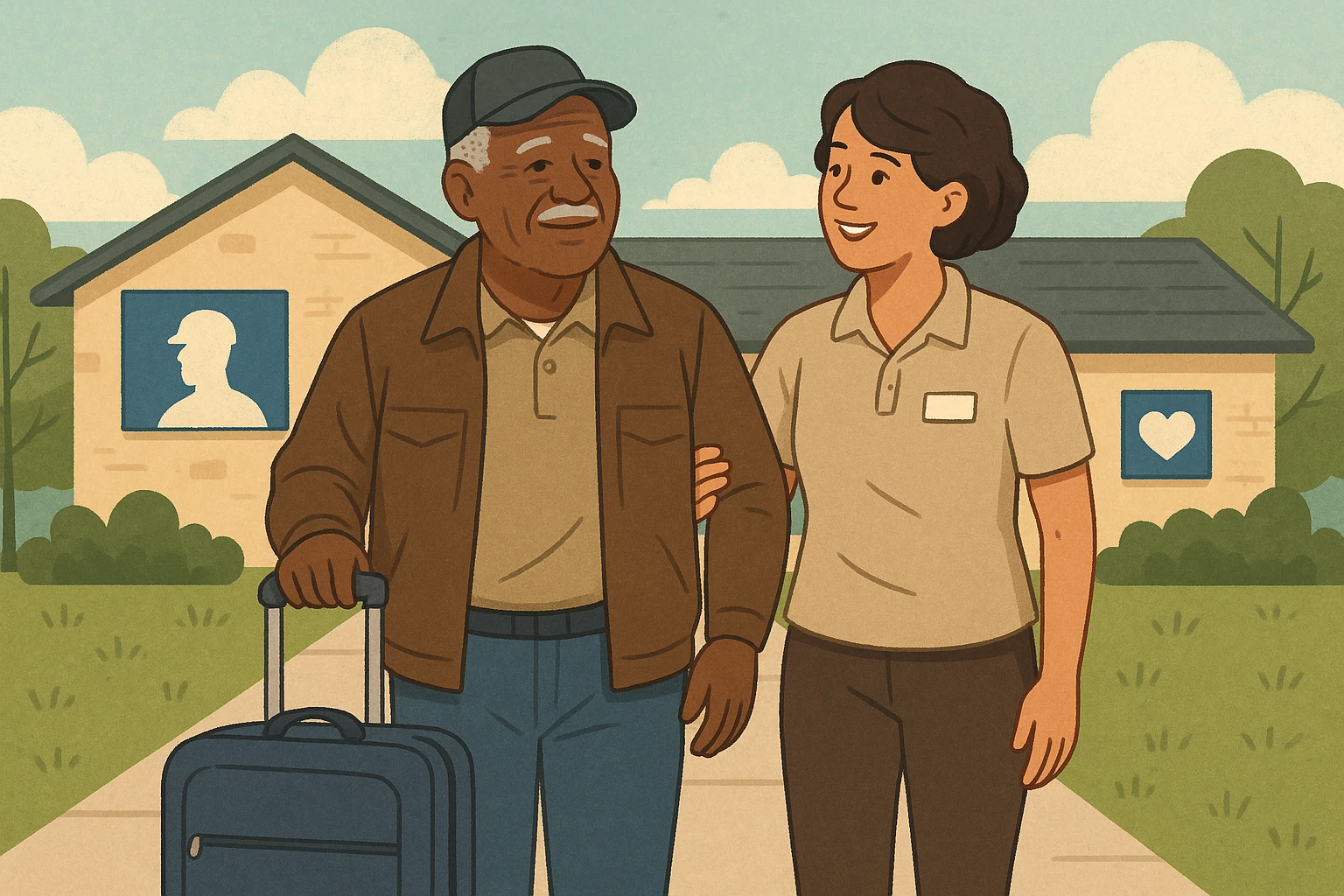
At KING COUNTY REAL ESTATE HELP, we support veteran homeowners in making informed decisions about their real estate-especially those who are considering a move to improve their quality of life and connect with stronger, more supportive environments.
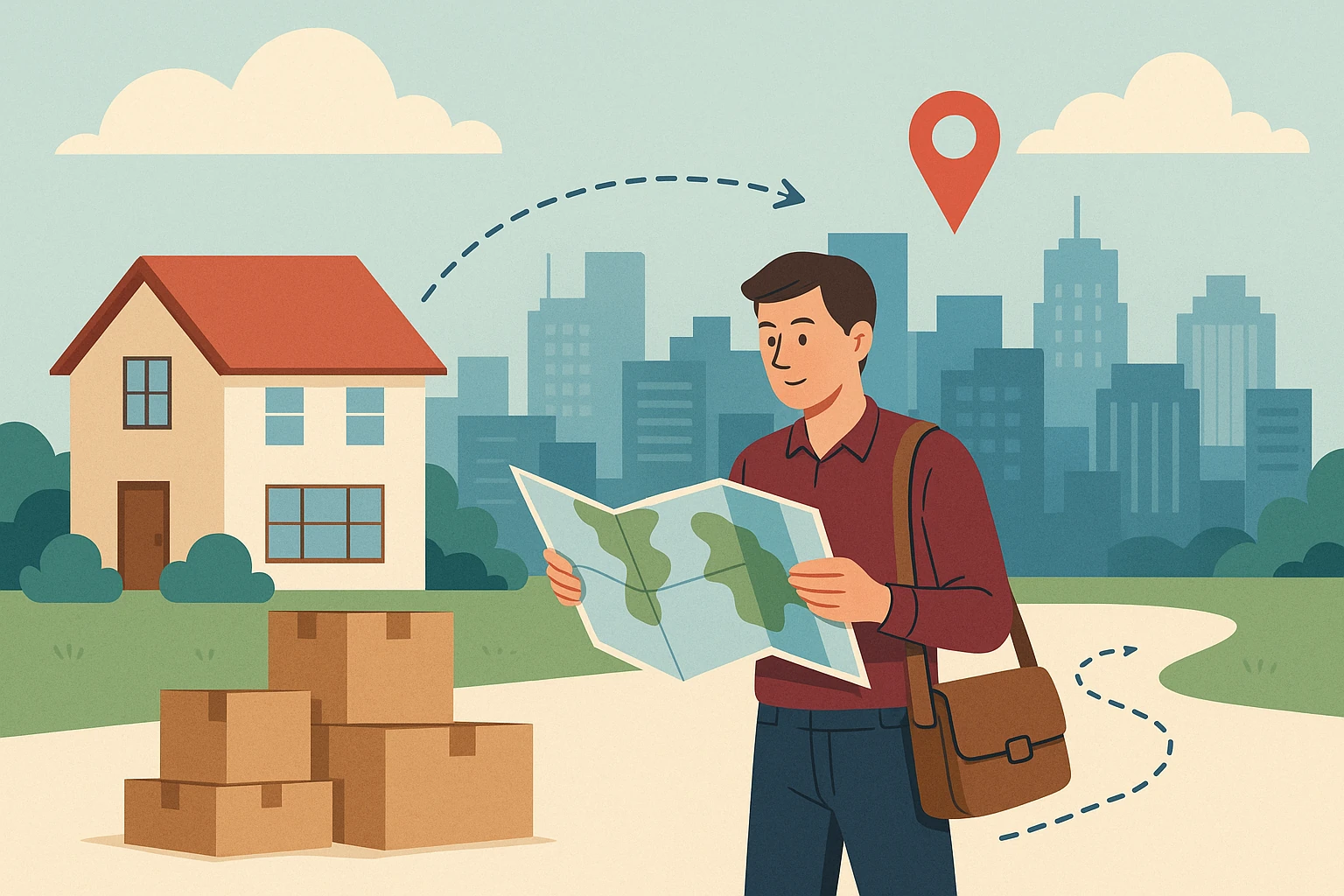
If you're a veteran living in a remote or isolated area and thinking about selling your home to move closer to a veteran-centered community, there are some important factors worth evaluating first.
The Distance You Escaped May Now Be Holding You Back
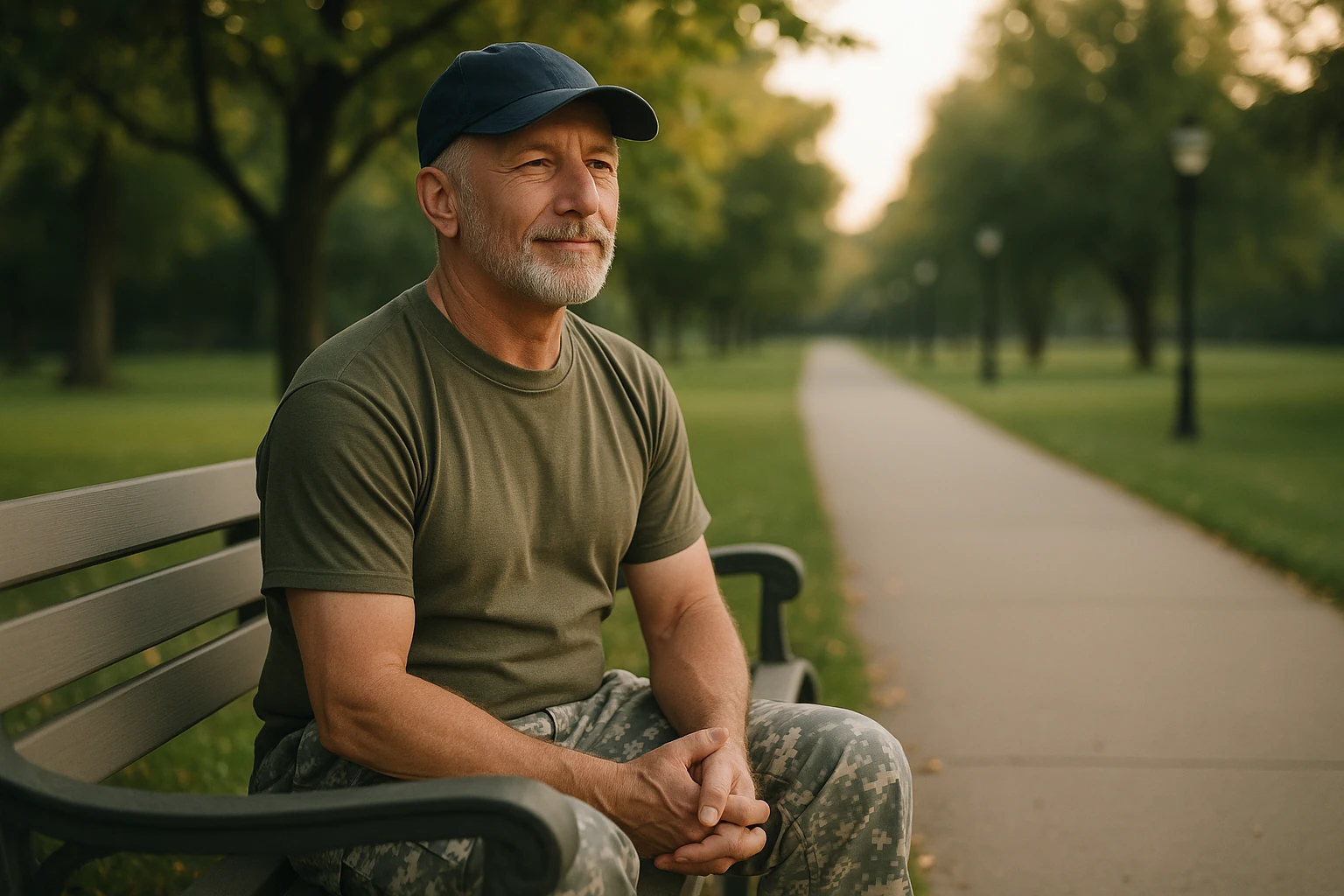
Living outside city limits can offer quiet, privacy, and affordability. But over time, it can also isolate you from the very things that help you heal and thrive-access to VA clinics, veteran peer networks, job opportunities, mental health support, and practical everyday services.
Some veterans find themselves driving hours just for a basic appointment. Others spend most of their time alone, not by choice but by circumstance. And while rural life may have served a purpose at one stage of life, it may no longer align with your current needs.
Selling a Remote Property Brings Its Own Challenges
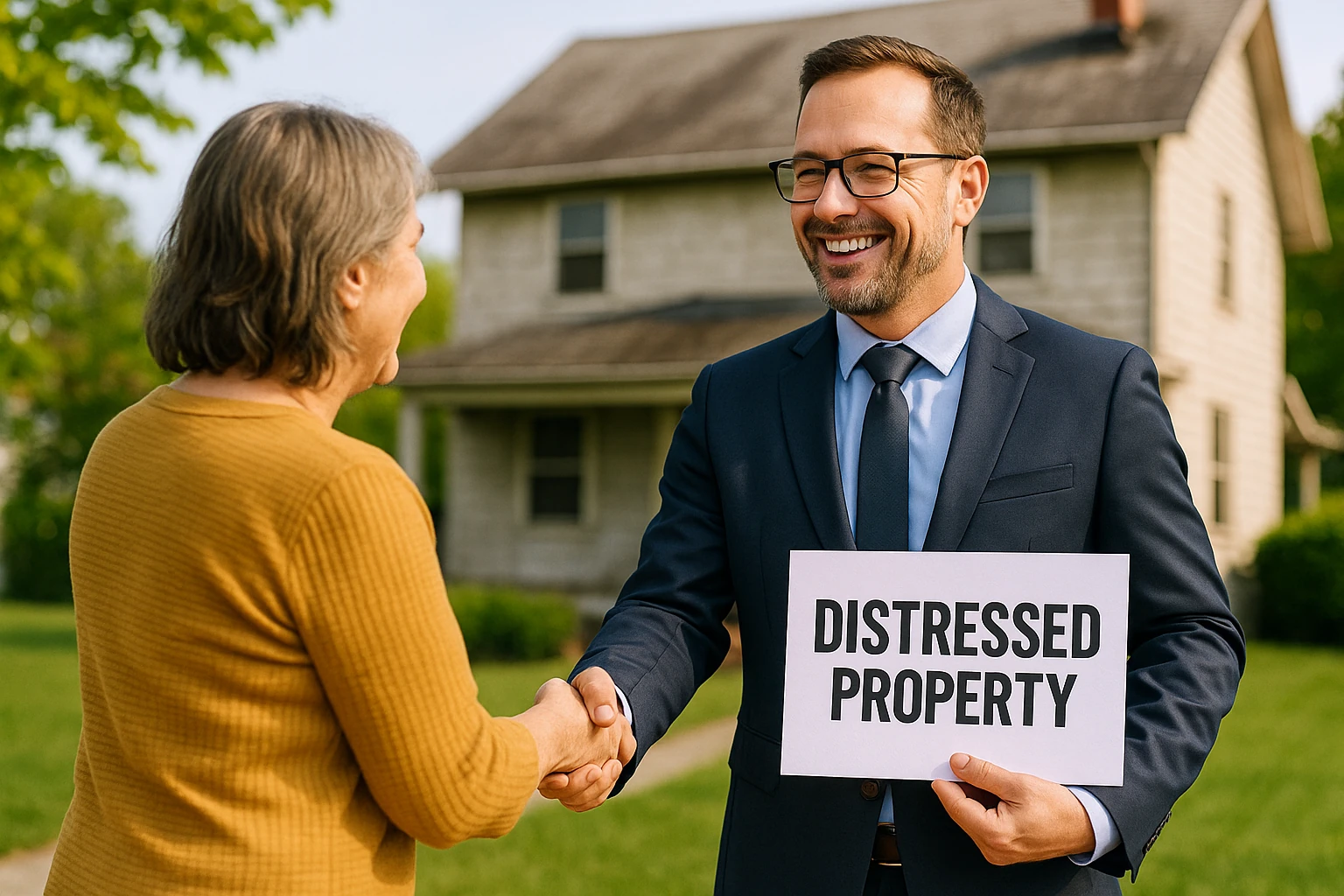
If your home is in a less-populated area, it may take longer to sell or require pricing adjustments to attract buyers. That can be stressful, especially if you're relying on the sale to fund a transition or reduce monthly costs.
You may face delays in finding qualified buyers, or you may encounter buyers who expect extensive upgrades or repairs you're not in a position to take on. These obstacles are common, and they can become overwhelming if you haven't planned for the real estate realities tied to location.
Emotional Attachment Can Cloud Financial Reality
Maybe you built the home yourself. Maybe it was passed down through your family. Maybe it was your sanctuary after service. Whatever the history, walking away from a house can feel like walking away from a piece of yourself.
That's normal. But if the home no longer supports your health, stability, or connection to others, it may be time to think not about what it was-but what it could be worth to your future. Real estate decisions made through emotion often carry hidden costs later.
Accessibility and Medical Needs May Shift with Time
Even if the property still "works" for you physically today, will it still serve your needs in five years? Are there stairs you may struggle with later? Is it far from emergency care or public transportation? If your health shifts, would you be able to manage alone?
These are tough but necessary questions. The reality is, many veterans put off moving until it's too late-until the stress of staying becomes greater than the stress of relocating.
Community Isn't a Luxury-It's Medicine
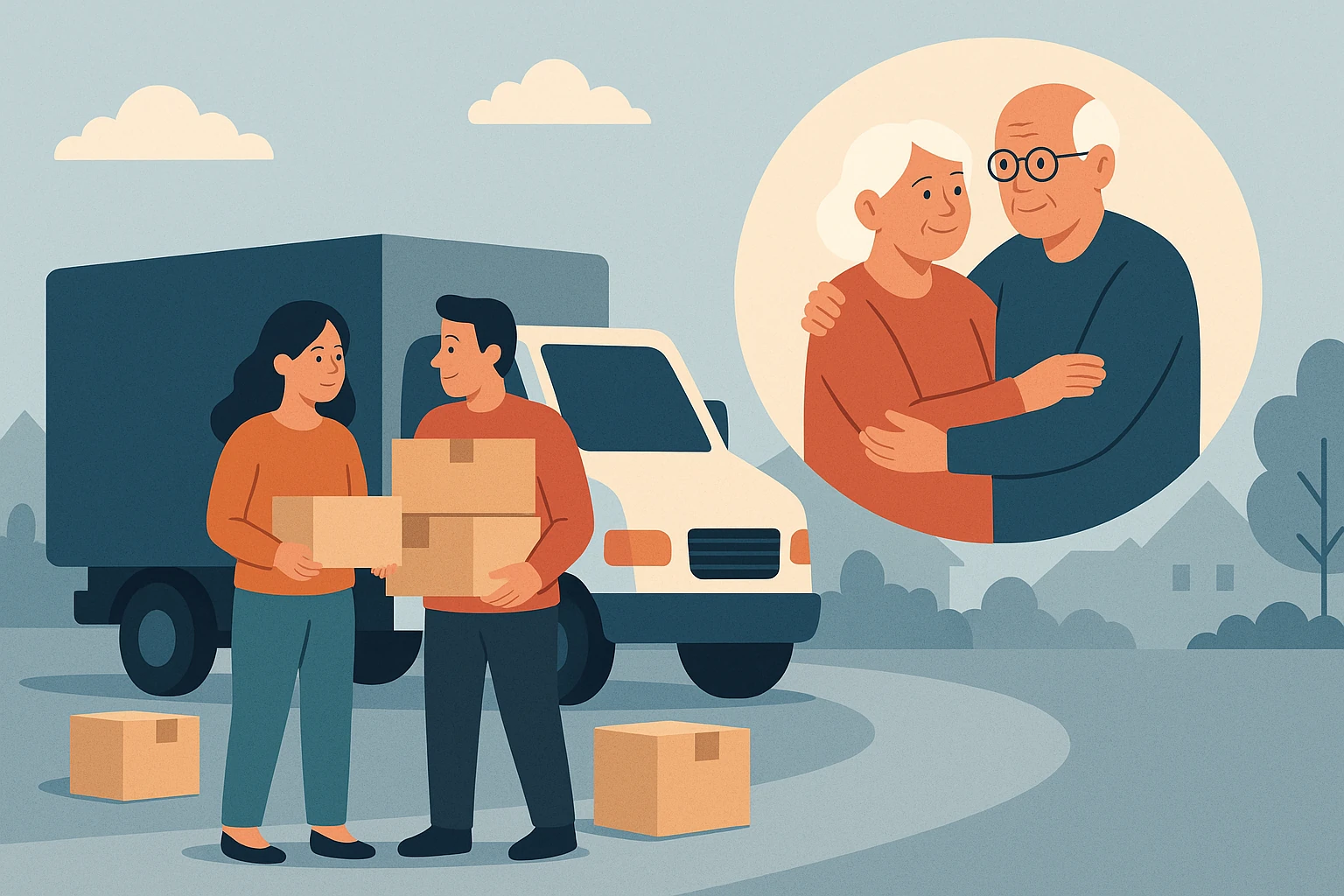
You don't just need a roof. You need people. You need neighbors who get it. You need to see others who walked a similar path and lived to talk about it. Being around fellow veterans can reduce the silent strain that comes from constantly having to explain yourself-or worse, pretend you're fine when you're not.
Case related tips