Relocating to Live Closer to Family or Caregivers
Sometimes the most important part of a home isn't the structure-it's the people nearby.
If you're going through a major life shift-a health challenge, reduced income, recovery after loss, or simply growing older-being closer to the right people can make all the difference. That's why relocating to live closer to family members or caregivers is a real estate decision that's worth careful consideration.
At KING COUNTY REAL ESTATE HELP, our mission is to help homeowners think through decisions like this clearly and calmly. We don't offer services, phone consultations, or financial assistance. But we do offer something just as valuable: information you can trust, so you can make the right move for yourself and your household-before you're forced to make one under pressure.
Let's look at the pros and cons of relocating for support.
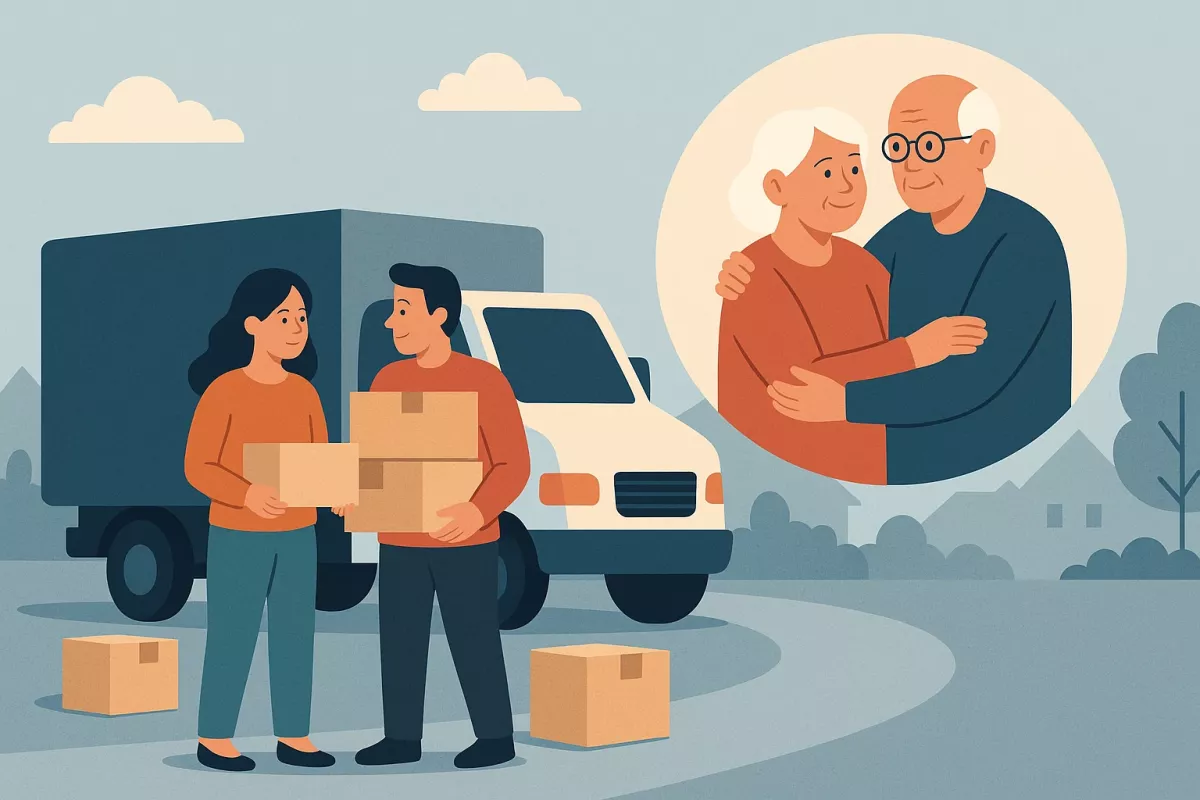
What This Decision Involves
Relocating closer to family or a trusted caregiver means selling your current property and purchasing or moving into a home near someone who can provide regular, in-person support. That support could be physical-like help with mobility, errands, or medical appointments-or emotional, like shared meals, childcare, or simply someone to check in on you.
This kind of move isn't always easy. But for many, it's a powerful step toward restoring balance and protecting long-term wellbeing.
Why This Move Can Make Sense
1. Reduced Daily Stress Living near people who care about you lowers isolation, improves communication, and creates a more dependable safety net. You're no longer carrying everything alone.
2. Lower Ongoing Costs Relocating to a smaller or more affordable home near family can reduce your monthly financial burden. You may also cut down on travel, caregiving, or service costs.
3. Shared Responsibilities Whether it's coordinating doctor visits, managing the home, or simply watching the kids-being near family or caregivers can mean shared responsibilities, which lightens your overall load.
4. Emotional Strength and Stability When a loved one is just a few minutes away, it often reduces anxiety and provides peace of mind. That emotional safety can have a positive ripple effect on your physical and financial stability.
Potential Challenges to Consider
1. Disrupting Current Routines Leaving a familiar neighborhood, friend group, or community can feel like a loss-even when the destination is better suited for your situation.
2. The Cost of Transition Selling a home, covering moving expenses, and purchasing a new property can create short-term financial pressure. It's important to assess whether your equity and income can support the shift.
3. Relationship Boundaries While being closer to family or caregivers is often helpful, it also brings new dynamics. It's important to have honest conversations about expectations, availability, and boundaries before relocating.
4. Property Availability Not every area near your loved ones may offer the kind of property or price range that fits your needs. It may take time and compromise to find the right home in the right location.
How to Think It Through
This decision is not just about geography. It's about resilience. It's about understanding your needs-right now-and creating a living arrangement that supports them, both financially and emotionally.
If you are considering this step, take time to evaluate:
-
What role does your current home play in your stress or instability?
-
Would daily life improve significantly with regular support from a nearby person?
-
Do you have enough equity, or a realistic sale plan, to make the move possible?
-
Is this decision part of a bigger change-such as caregiving, retirement, or recovering from loss?
These are hard questions. But they lead to strong answers.
You're Not Alone in Making This Decision
If relocating closer to family or a caregiver feels like the right path, know that you're not the only one facing it. Many of the people we aim to support-single parents, elderly homeowners, individuals recovering from illness, or those facing financial hardship-have all found that proximity to real human support can be more valuable than square footage or curb appeal.
We invite you to explore more guidance and decision tools in our Resource Center, where you can also find links to professional directories and real estate service providers who work with supported households.
No phone calls. No appointments. Just knowledge, right here-ready when you are.
KING COUNTY REAL ESTATE HELP Helping you make clear, confident decisions about your home-when life takes an unexpected turn.
Igor Pechkovskyi
Igor Pechkovskyi is a long-time Seattle resident and real estate professional who brings a research-driven, people-first approach to everything he does. With a background in business development and a deep knowledge of local housing markets, Igor contributes educational materials to KING COUNTY REAL ESTATE HELP to support homeowners facing difficult life transitions.
Having worked for years helping individuals navigate the complex world of home buying and selling, Igor understands how overwhelming housing decisions can become — especially during moments of financial or emotional hardship. His mission in this nonprofit work is simple: to share practical knowledge that empowers people to make clear, confident choices about their homes.