1. Stress from Financial Strain Undermines Recovery
Health issues often reduce income: time off work, disability, medical costs, transportation. Meanwhile, the mortgage doesn’t pause. Neither do property taxes, repairs, or heating bills.
Suddenly, the house becomes a daily financial worry—draining energy that should be going toward healing.
Stress is a slow killer. And housing stress can silently pull a family into emotional, physical, and financial collapse.
2. The Layout No Longer Supports Physical Needs
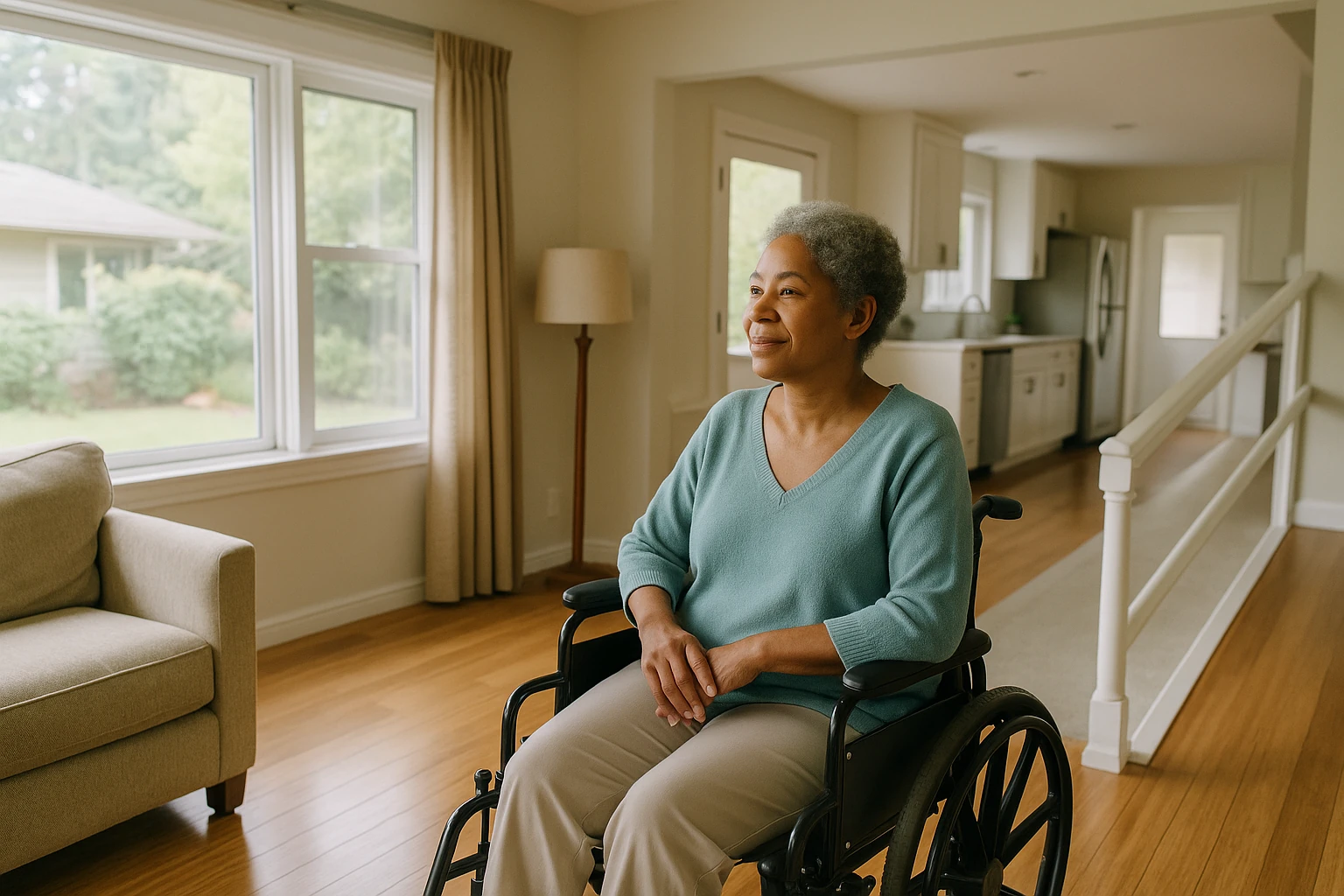
If someone is recovering from surgery, living with chronic pain, or managing mobility limits, their home must act like an ally — not a maze.
3. Environmental Factors Become Health Hazards
Many homes—especially older, under-maintained, or poorly ventilated ones — contain threats to people with:
-
Respiratory issues (e.g., asthma, COPD)
-
Compromised immune systems
-
Allergies or sensitivities
We’ve seen it again and again:
What you can’t see can still make you sick. And the cost to remediate is often out of reach.
4. Home Maintenance Becomes Overwhelming—or Impossible
Chronic fatigue. Mobility issues. Mental health struggles.
Even the most basic upkeep—cleaning, lawn care, changing filters, minor repairs—can become a mountain.
If no support system is in place, the home starts to degrade, creating both financial and emotional strain.
5. Lack of Privacy and Rest Impacts Mental Wellness
Recovery requires rest. But for many low- or median-income families, that’s hard to come by:
-
Too many people in too little space
-
No quiet corner to decompress
-
Shared bedrooms, bathrooms, kitchens
This is especially true when caregiving responsibilities are shared among family members in crowded conditions.
The result? Resentment, burnout, and emotional exhaustion.
6. Emergency Access Is Limited
In health crises, time matters.
But what if:
-
First responders can’t easily access the home?
-
Stairs delay stretcher movement?
-
There’s no visible address signage?
-
The neighborhood is far from the nearest ER?
Location, design, and accessibility can determine how fast someone receives life-saving care.
7. Isolation Creeps In
People with health challenges often reduce outside interactions. But when the home is isolating—due to layout, technology gaps, or geography—it becomes a cocoon of silence.
And loneliness, studies show, has the same impact on life expectancy as smoking 15 cigarettes a day.
A Healthy Life Begins with a Supportive Home
At KING COUNTY REAL ESTATE HELP, we understand the quiet domino effect health issues can trigger—especially in already vulnerable households.
We were founded to help families make informed, pressure-free decisions about their real estate before a health challenge turns into a housing crisis.
We don’t offer prescriptions. But we offer perspective.
We don’t push transactions. But we provide tools for transformation.
Your body deserves care. So does the home you live in.