1. Income Disruption Makes Housing Unstable
Whether the injured person was the sole earner or one of two, the impact is real:
-
Temporary or permanent job loss
-
Delayed disability claims
-
Out-of-pocket rehab or medication costs
What was once an affordable mortgage or rent can quickly become unsustainable.
And without a safety net, families fall behind fast.
2. The Home Isn’t Built for Limited Mobility
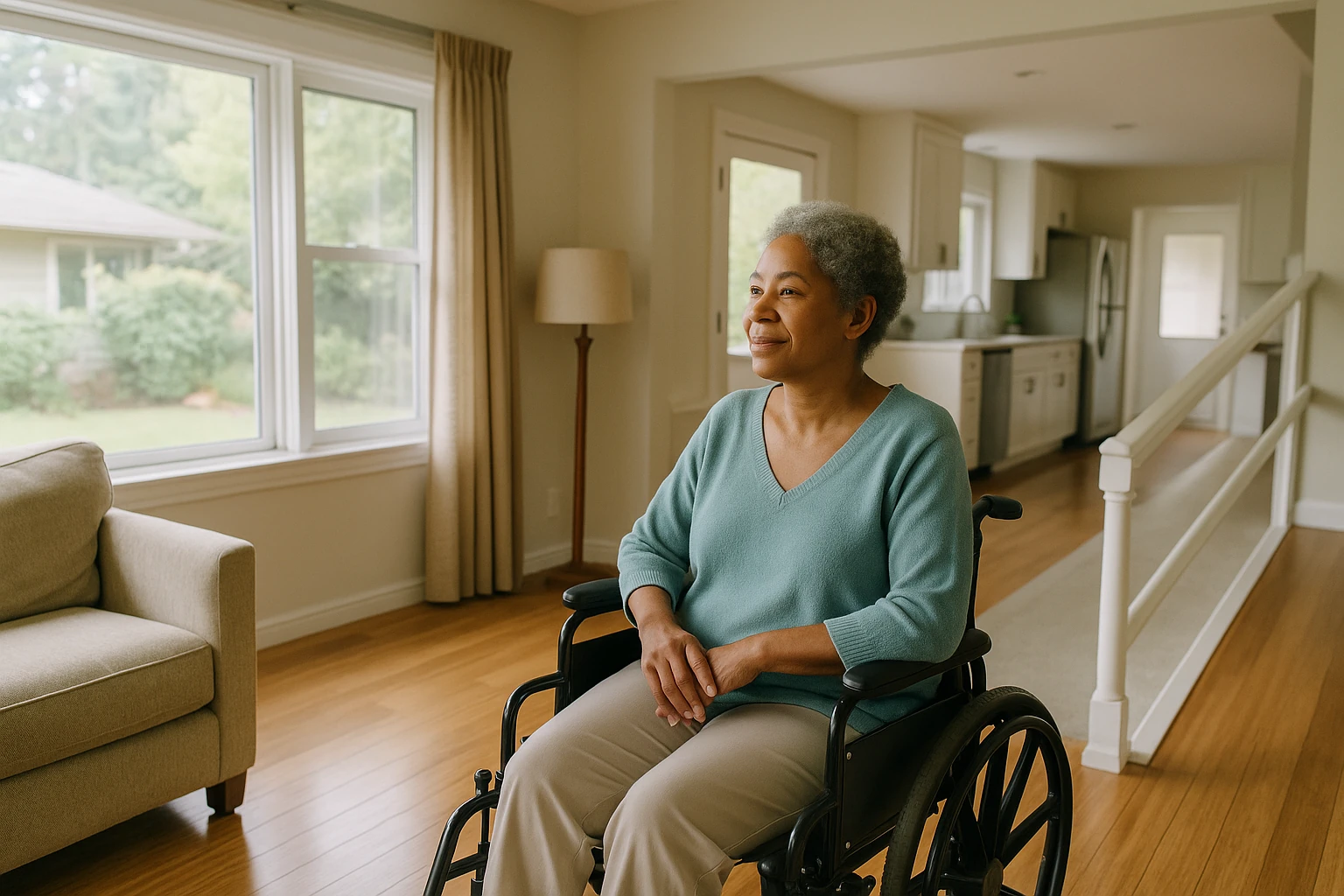
Suddenly, stairs are impossible. Bathrooms are unusable.
Doorways are too narrow. Bedrooms are upstairs. Laundry is in the basement.
A house that once worked fine now presents daily risks—especially for:
Retrofitting is expensive. And not always possible.
3. Caregiver Access and Privacy Are Compromised
If in-home nursing, physical therapy, or live-in support is required, the home must accommodate:
-
Extra space for care equipment or aides
-
Private areas for both caregivers and patient
-
Safe, accessible entry and parking
Many homes—especially in older or lower-income neighborhoods—are simply not equipped for this level of use.
4. Deferred Maintenance Becomes a Silent Threat
With limited energy, money, or physical ability, basic upkeep starts to slip:
-
Roof leaks
-
Heating issues
-
Electrical hazards
These small problems compound over time, quietly decreasing property value and increasing health risks.
5. Insurance May Not Cover What You Think
Homeowners’ insurance may exclude necessary home modifications.
Disability or workers’ comp benefits may take weeks or months to process—if they come at all.
Meanwhile, bills don’t wait.
Neither does mold. Or cold. Or plumbing failures.
6. Forced Relocation—Without a Plan
If the home becomes unsafe or unsustainable, families may need to move.
But without equity, savings, or knowledge of the market, many:
-
Sell in haste and at a loss
-
Sign unfavorable lease agreements
-
Crowd into unsafe or unsuitable living conditions
In moments of crisis, bad real estate decisions can lock in long-term financial damage.
7. Legal and Paperwork Confusion Stalls Progress
When someone’s recovering from trauma, the last thing they want to face is:
Yet ignoring these matters only makes the situation worse, especially when a property is in shared ownership or still under mortgage.
8. Mental Health and Emotional Tolls Are Amplified by the Home
The stress of being “trapped” in a house that no longer feels safe, accessible, or financially viable contributes to:
And that stress delays recovery—turning what should be a sanctuary into a daily reminder of what was lost.
After a Life-Changing Injury, Housing Must Support Healing
At KING COUNTY REAL ESTATE HELP, we’re not here to sell you a dream or tell you everything’s okay.
We’re here to help you see clearly, act wisely, and make decisions that protect your dignity and future—even in the toughest of times.
We provide free educational guidance for real estate owners facing hardship—especially those impacted by accidents, illness, or loss of income.
Don’t let the accident rob more than it already has.