Health Issues: Needing to Move Into Homes Already Adapted for Mobility Needs
You didn't plan for this. No one ever does.
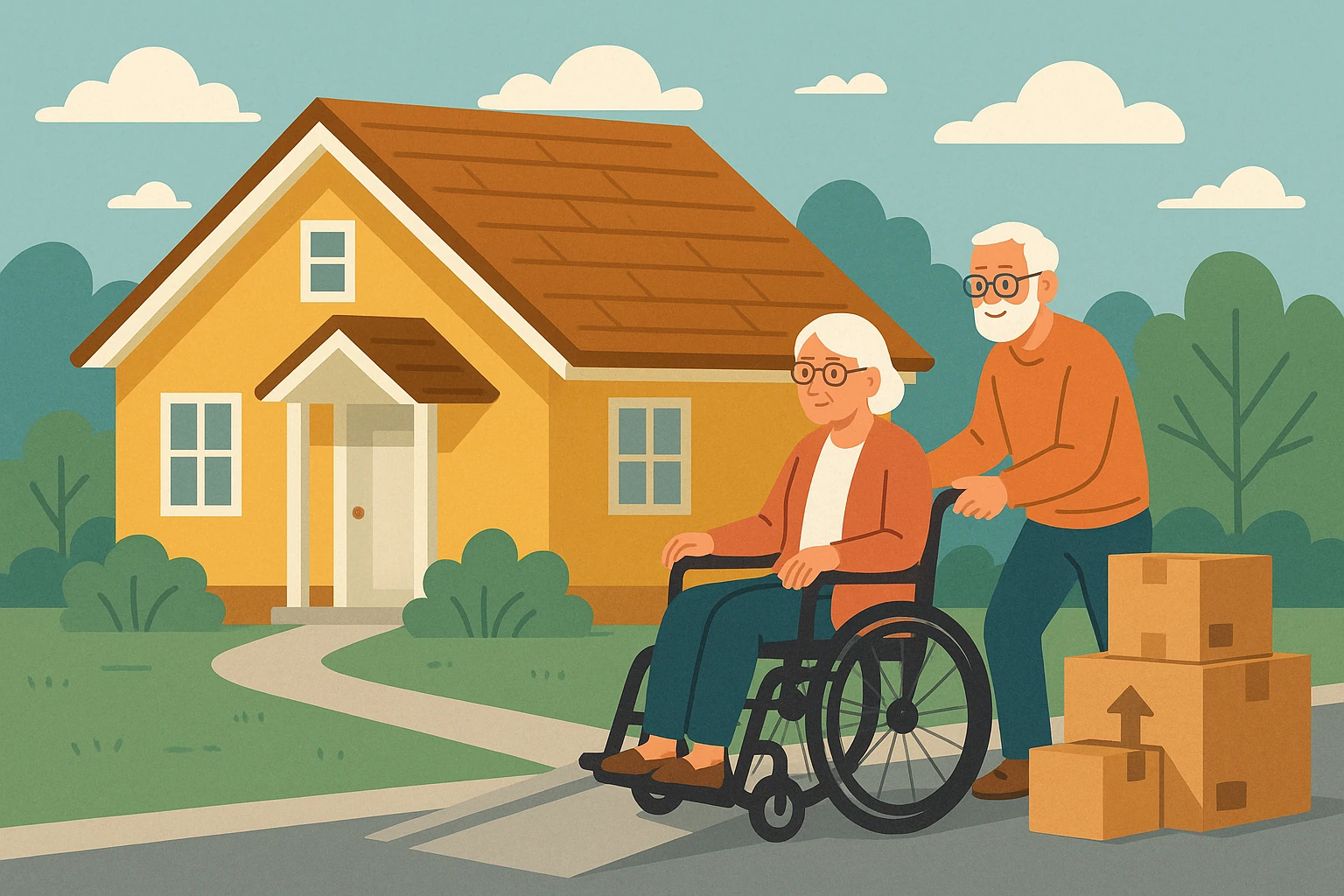
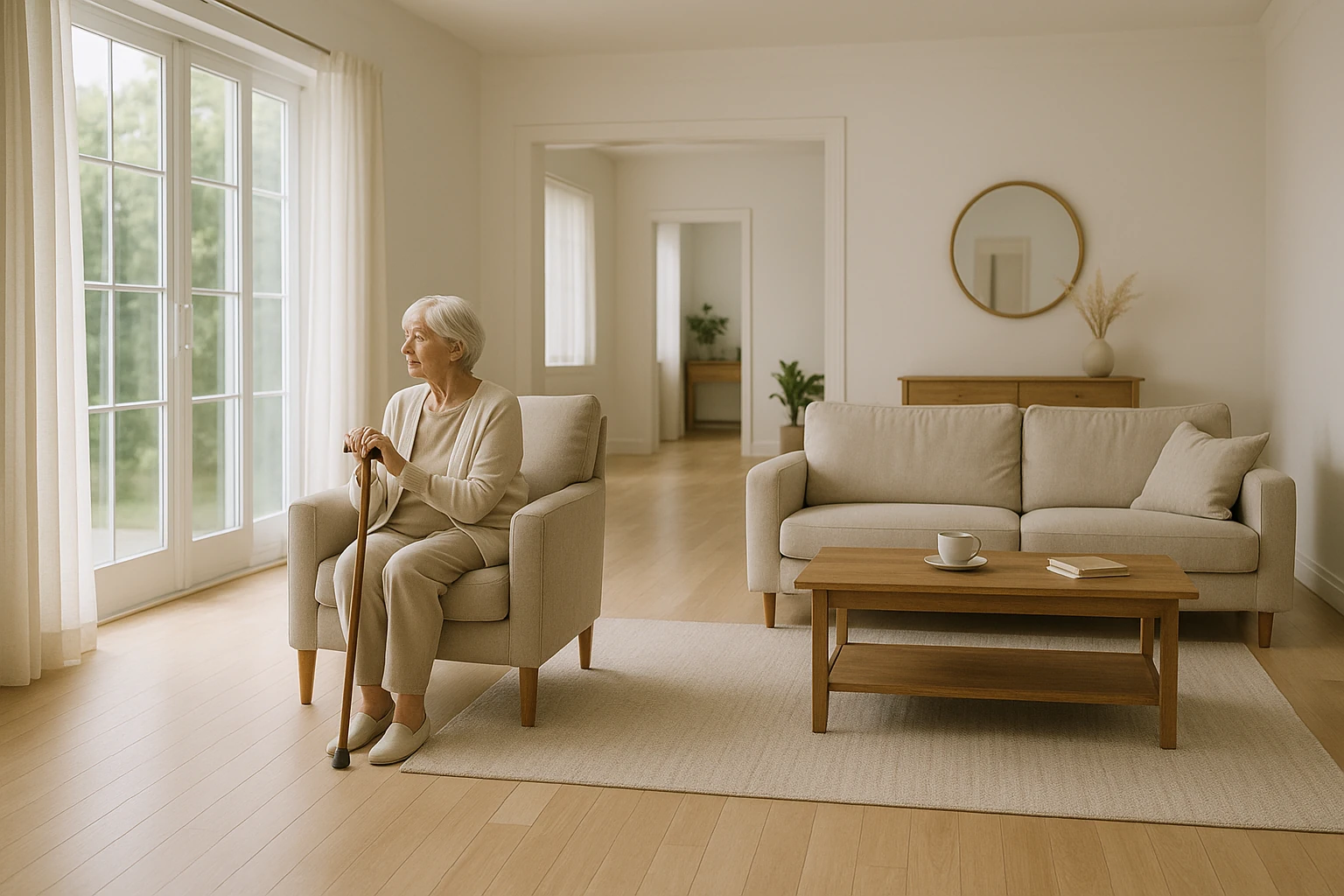
Maybe it was an accident. Maybe it was a diagnosis. Maybe it's just the slow but steady progression of age or illness. But something has changed-and now, the home that once served you well no longer fits the life you're living.
At KING COUNTY REAL ESTATE HELP, we work with homeowners who find themselves in this exact situation. Your mobility needs have changed, and your home hasn't kept up. Stairs that used to be an afterthought now feel like a wall. Narrow hallways, high thresholds, tight bathrooms-all of it adds up to daily discomfort, stress, and in some cases, serious safety risks.
You may not have the time, energy, or money to modify your existing home. So now you're asking a difficult but necessary question: Should I move into a home that's already adapted for mobility? And if so, what should I look out for?
Let's talk honestly about what that decision means, and the most common issues you'll need to evaluate.
First, Let's Name the Pressure
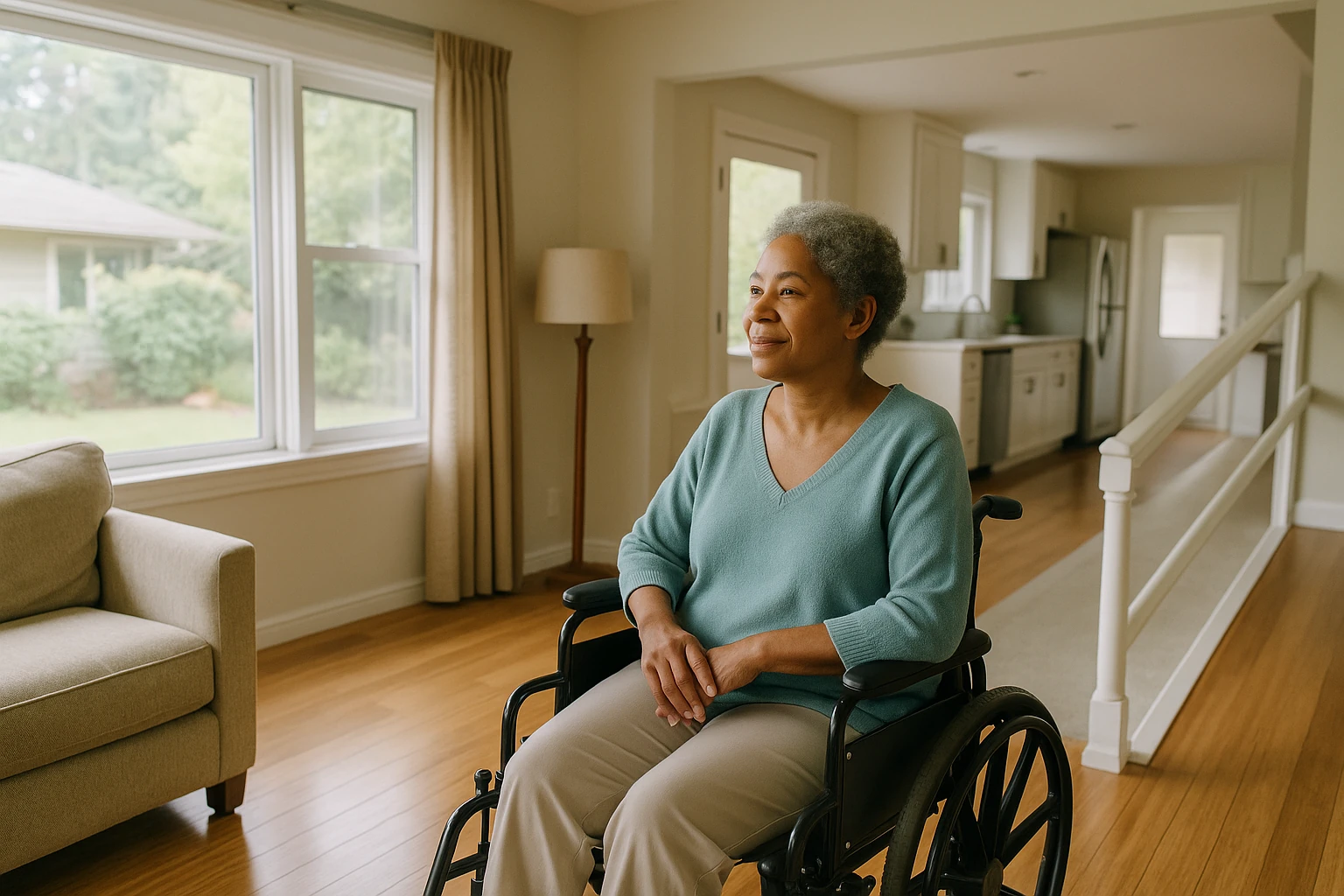
There's no shame in this situation-but there is stress. Moving isn't just physical; it's emotional. For many homeowners, this decision arrives after a long period of uncertainty-declining health, rising costs, missed work, and mounting fear.
This isn't just about real estate. It's about dignity. It's about preserving what's left of your energy so you can focus on healing, not navigating stairs or worrying about falling in your own kitchen.
Your Current Home May Be More Expensive Than You Think
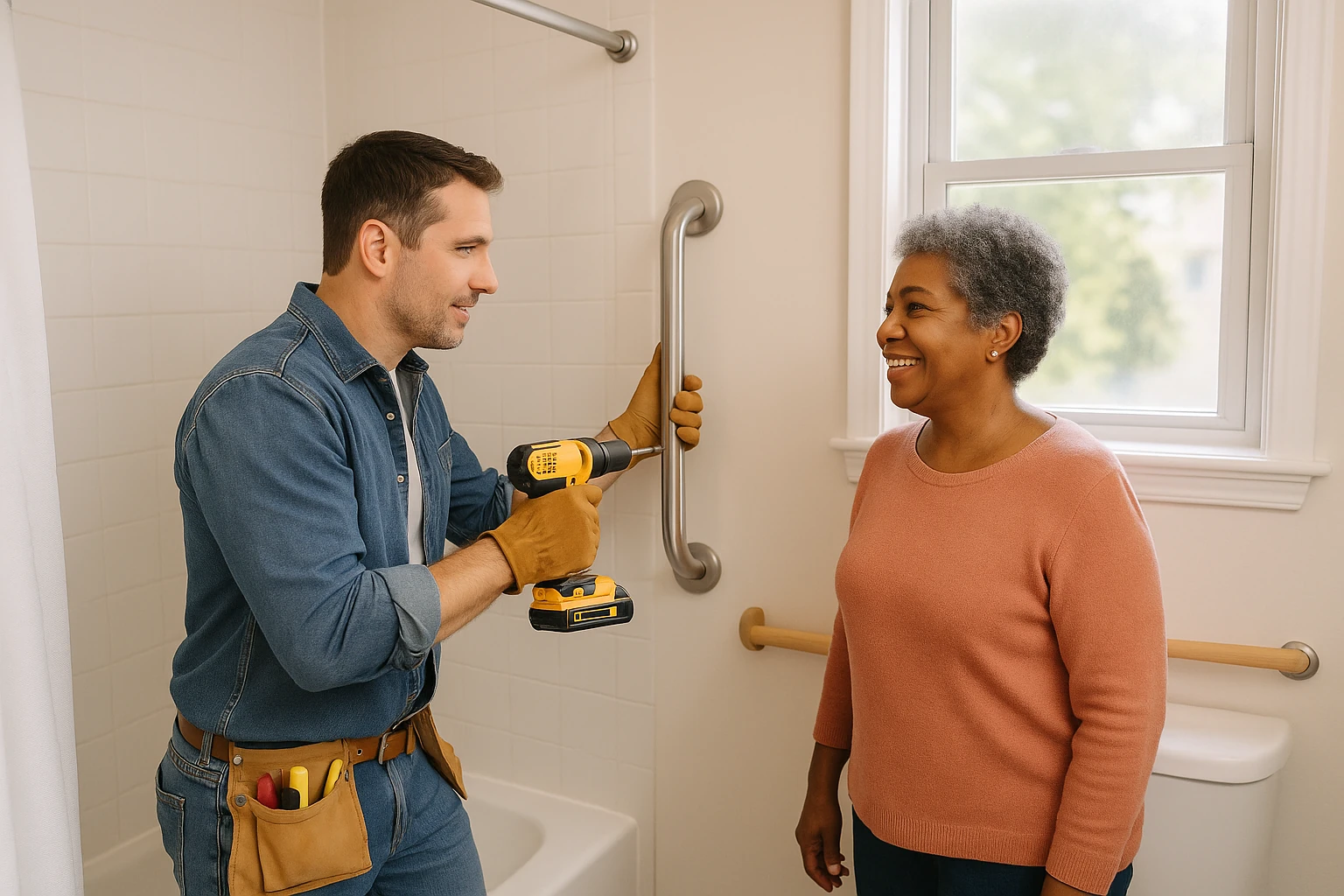
On paper, it may seem cheaper to stay where you are. But staying often comes with hidden costs. Modifications-if even possible-can be expensive. Installing ramps, widening doorways, adjusting bathrooms, lowering countertops, upgrading flooring, or reconfiguring entryways adds up quickly.
And even if you had the money, you may not have the time. Or the energy. Or the qualified help.
Many homeowners in this situation delay the decision for too long. And in doing so, they often spend more on temporary fixes or suffer through dangerous conditions while their quality of life quietly declines.
Not Every "Accessible" Home Is Truly Adapted
If you decide to move, you may be looking for homes already labeled "accessible" or "ADA-compliant." But be cautious. Real estate listings aren't always honest or accurate.
A step-free entry doesn't mean a safe bathroom. A wide front door doesn't guarantee hallway clearance for a wheelchair. And most importantly, what's "accessible" for one person may not be for another.
Evaluating the suitability of a home requires more than checking boxes. It means understanding how that space interacts with your specific needs-now and in the near future.
Emotional Attachment Can Cloud Judgment
Many homeowners struggle to leave their current house, even when it's clearly no longer safe. That's natural. Your home holds memories, milestones, and meaning. But staying in a place that no longer supports your health can erode your wellbeing faster than you realize.
Holding on too long can lead to falls, frustration, isolation-and eventually, emergency decisions made under pressure. And when that happens, options become fewer, not better.
Financial Stability Matters More Than Sentiment
If you're considering a move, it's important to evaluate not just the new home's layout, but its long-term financial viability. Can you manage the property taxes, utility costs, and maintenance in the years to come? Is it located near medical support, transit, or family? Is it small enough to manage-or large enough to accommodate a caregiver if needed?
These are not glamorous questions. But they are essential ones.
The Real Challenge Is Decision Fatigue
By the time most homeowners reach this point, they're exhausted. Tired of appointments. Tired of paperwork. Tired of uncertainty. So they freeze. Or they settle. Or they accept a situation that quietly undermines their health and peace of mind.
That's why we created KING COUNTY REAL ESTATE HELP - to give people the clarity to make informed, confident decisions about their homes during moments of transition. We don't sell homes. We don't offer services. We provide free, objective resources that help you think through what matters most: Your safety. Your health. Your stability.
If you are facing the possibility of moving due to new health or mobility needs, we encourage you to visit our website's Resource Library. You'll find materials designed to help you evaluate your current situation, assess potential new homes, and make decisions based not on fear or fatigue-but on facts.
We are not open to the public, and we do not offer phone calls or email support. But everything we can provide is right here-on this website - free and ready when you are.
Because when your body demands a change, your home must follow. KING COUNTY REAL ESTATE HELP Helping you protect your health, your home, and your peace of mind-one decision at a time.
Case related tips