Economic Hardships: Significant Reduction in Income
Life doesn't always wait for you to adjust. One moment, everything feels stable-income steady, mortgage manageable, the future more or less in sight. Then something changes. A job is lost. A paycheck is cut in half. Or the work slows down with no promise of when it will pick back up again.
If you're a homeowner, this kind of income drop isn't just a financial problem. It's a pressure cooker. Because the home you once proudly afforded may now feel too big, too costly, or too heavy to carry. And yet, the decision to downsize or reassess your real estate isn't easy-emotionally or practically.
At KING COUNTY REAL ESTATE HELP, we exist to support households during life-altering transitions-especially when those transitions affect your relationship with the property you own. We don't offer one-on-one advice. We don't call or text. And we don't offer services beyond what you see here on this website.
But what we do offer is a way to step back, think clearly, and evaluate your situation without panic, confusion, or shame. Below, you'll find the most common issues that arise when homeowners face a significant reduction in income and need to consider whether staying in their current home is still the right fit.

The Mortgage Isn't Going Anywhere
Your income may have shrunk-but the mortgage hasn't. If you're no longer earning what you once were, even a previously "reasonable" mortgage can quickly become unsustainable. And if you're relying on savings, unemployment checks, or side jobs to cover what used to come from a salary, you're likely burning through more than you're bringing in.
Missing one payment might not seem urgent. But two or three missed payments can set off a chain reaction that puts your property, credit, and peace of mind at risk. That's why evaluating sooner-not later-is key.
Bills Don't Stop Because You're Earning Less
Alongside the mortgage come the other fixed costs: utilities, insurance, property taxes, and maintenance. These don't pause when income pauses. In fact, they often hit harder when you're juggling new expenses-like medical bills, childcare, or job-search costs.
Trying to "ride it out" without a clear plan often leads to increased debt, mounting stress, and decisions made in haste. If you're starting to choose between paying bills and buying groceries, it may be time to look at whether the home itself is still serving you-or quietly working against you.
Maintenance Becomes a Delayed Burden
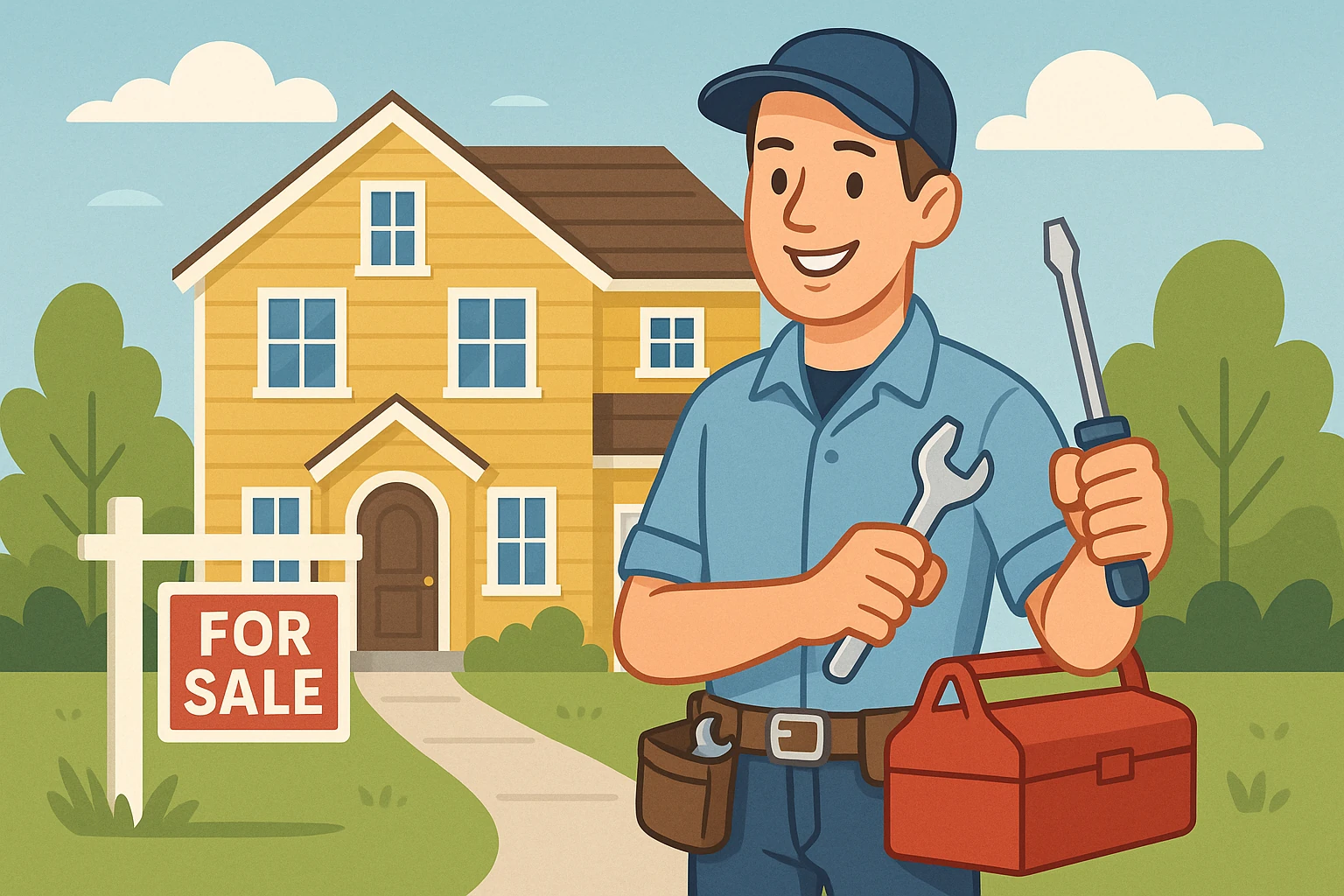
When income drops, small problems around the house often get pushed down the list. A leaking faucet, a noisy furnace, a crack in the roof-they're easy to ignore when there's no extra cash to spare. But these delays add up.
The longer a home goes without proper upkeep, the more expensive it becomes to bring it back into shape. And if you're already struggling financially, the risk of being forced to sell under pressure grows. Sometimes, the better move is to scale back now-rather than wait for something to break that you can't afford to fix.
Emotional Attachment Can Cloud Practical Judgment
A home carries memories. It carries pride. It carries the effort you put into making it yours. So it's natural to feel reluctant-or even ashamed-when you start thinking about leaving it.
But homes should support your well-being, not sacrifice it. Downsizing is not giving up. It's taking control. It's recognizing that a smaller home, a simpler mortgage, or a different location might actually bring more peace, not less.
What matters most is whether your current home still fits your life as it is today-not as it once was.
The Family Dynamic Can Shift Under Stress
When money gets tight, tension grows. Even if you don't talk about it openly, the weight is felt throughout the household. Kids pick up on the mood. Partners begin to argue over small things. And the home, instead of being a place of rest, becomes a source of stress.
When evaluating whether to stay or downsize, don't just look at numbers. Look at how your home is impacting your mental and emotional health. Is it giving you room to breathe-or draining you every month?
It's Not About Losing the Home. It's About Not Losing Yourself.
At KING COUNTY REAL ESTATE HELP, our goal is not to tell you what to do. It's to help you think through the choices in front of you when your income changes-and your housing must adapt.
Our resources are built for people like you: real estate owners navigating financial strain due to job loss, health events, or other life-altering circumstances. We don't offer personal consultations. We don't send representatives. But the tools on this site are designed to help you pause, reflect, and make a decision with your future-not just your past-in mind.
You don't need to act out of fear. You just need to act with information.
Start by learning. Then decide.
Visit our Resource Center to explore materials created specifically for property owners navigating income changes and downsizing decisions. Everything available is free, anonymous, and created with your dignity and independence in mind.
KING COUNTY REAL ESTATE HELP Helping homeowners stay balanced when life throws them off course.
Case related tips