Growing Family: Upgrading to a larger home to accommodate new family members
There's nothing more rewarding-and more overwhelming-than watching your family grow.
Whether you're welcoming a new baby, blending households, or caring for a relative who needs to move in, the space that once felt perfectly comfortable can quickly start to feel cramped, chaotic, or simply out of sync with your life.
If you own your home, the question naturally arises: Should we move to something bigger?
At KING COUNTY REAL ESTATE HELP, we've worked hard to understand this moment. For households with limited income or facing economic pressures, upgrading your living space can feel both necessary and risky. And while this article doesn't offer one-size-fits-all solutions, it does offer something more important: clarity on what to watch for - before you make one of the most impactful real estate decisions of your life.

More People, More Pressure - Not Just More Rooms
Adding a family member changes more than just your bedroom count. It changes routines, noise levels, storage needs, and the way your current home functions every day.
Often, families start to feel like their current home is "too small" not just because of square footage, but because there's no room to breathe. Kitchen counters are always cluttered. Hallways feel narrow. Privacy is gone. Stress starts to build from the inside out.
Before thinking about upgrading, it's essential to identify whether the home is truly too small-or if it simply needs rethinking, reorganizing, or restructured expectations.
The Financial Stretch That Follows
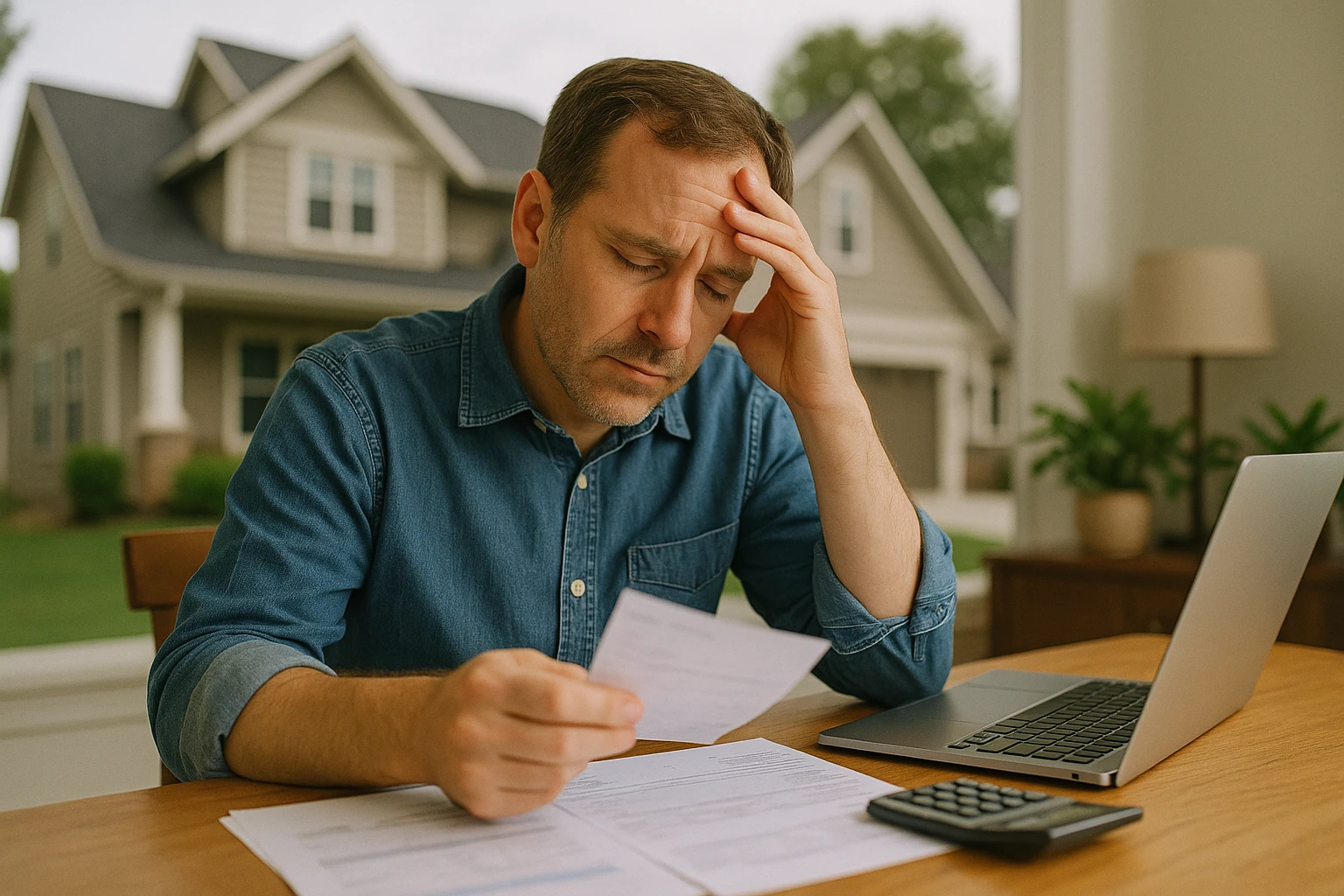
A larger home usually means a larger mortgage, higher taxes, and more utility costs. For families already managing tight budgets, this can create a situation where the house feels more spacious, but your financial margin of error becomes dangerously thin.
Moving up in size without a clear understanding of what your monthly costs will become can put your family at higher risk of financial instability, especially in times of job loss, illness, or emergencies.
Before you fall in love with a new space, you need to be honest about what it will cost-not just today, but in the years to come.
Selling Under Pressure Can Cost You More
If you're relying on the sale of your current home to make the upgrade possible, be cautious about timing. Selling quickly, or during a soft market, may force you to accept less than your property is worth. If your current home still needs repairs or updates, rushing into a sale can reduce your return even further.
This can leave you with less equity for the down payment on a new home-and potentially with loan terms that stretch your finances thin.
Bigger Homes Require More Maintenance-and More Time
Larger homes often come with more surfaces to clean, more systems to maintain, and more things that can break. That means more time, more costs, and more energy pulled away from your family and toward the property.
It's not just about square feet. It's about sustainability. Will you be able to manage the upkeep of a larger home while also raising young children, caring for aging relatives, or working more than one job?
If the answer is no, the additional space may provide short-term relief, but long-term stress.
Emotional Pressure Can Cloud the Process
When space gets tight, emotions can run high. The desire to "get out" or "upgrade now" can quickly overshadow important financial and practical considerations.
It's important to pause and recognize that these feelings are valid-but that real estate decisions made under stress often lead to regret. Before making a move, take the time to evaluate your options carefully, realistically, and with a long-term lens.