Death in the Family: Managing estate due to loss of primary income earner or care giver
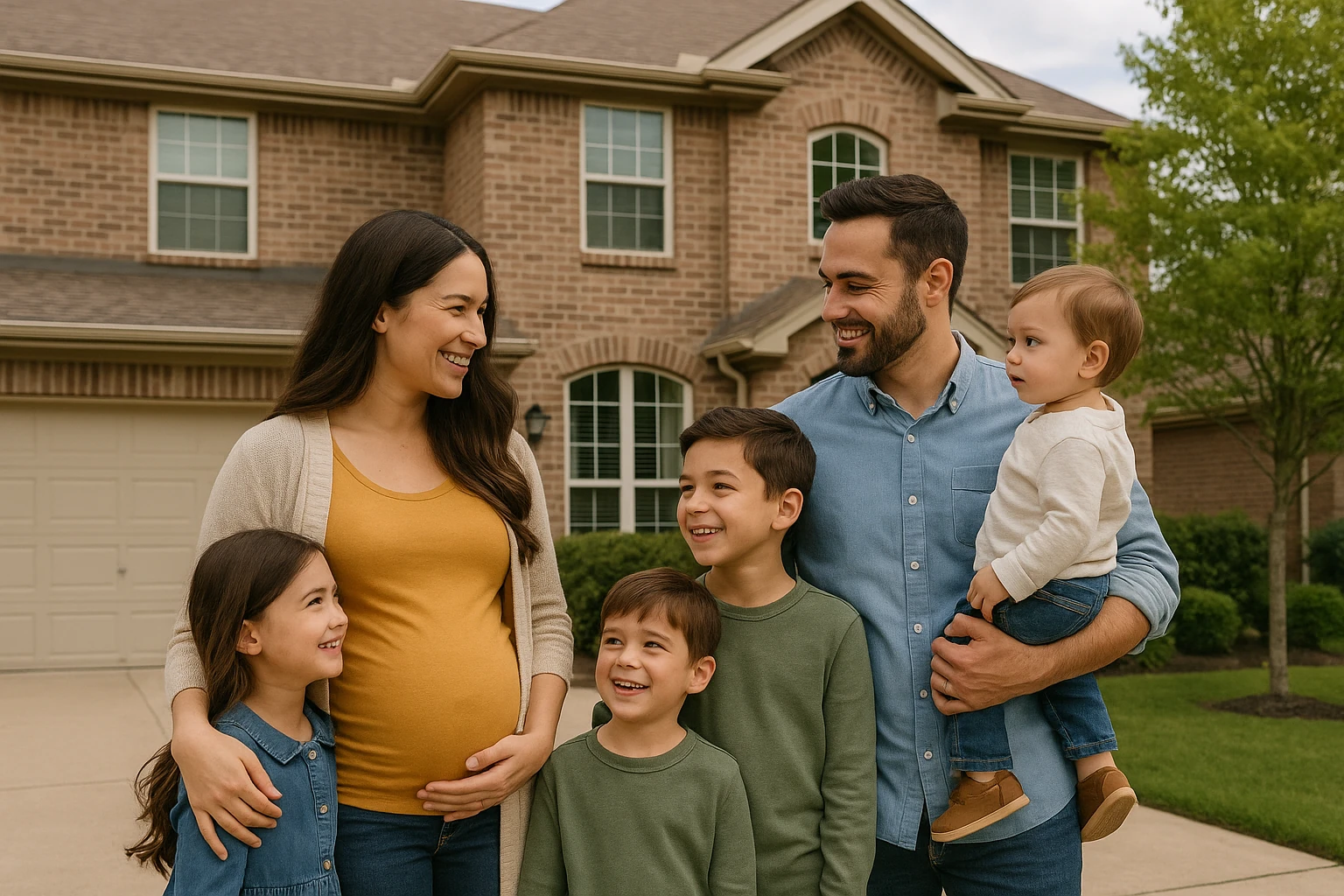
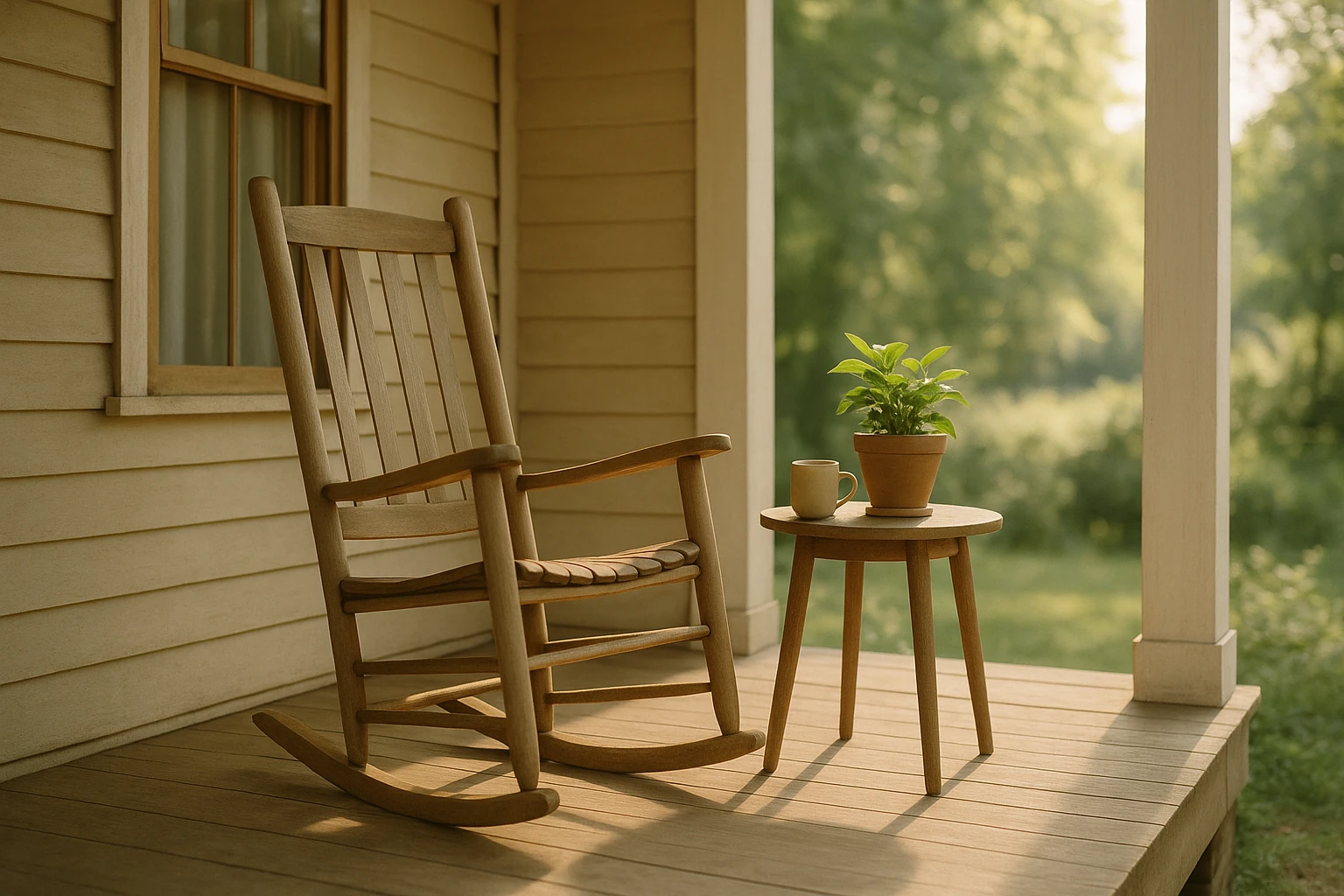
There was a time when your home was full of movement. Laughter in the kitchen. Footsteps up the stairs. A reason to fix the roof, mow the lawn, and repaint the porch.
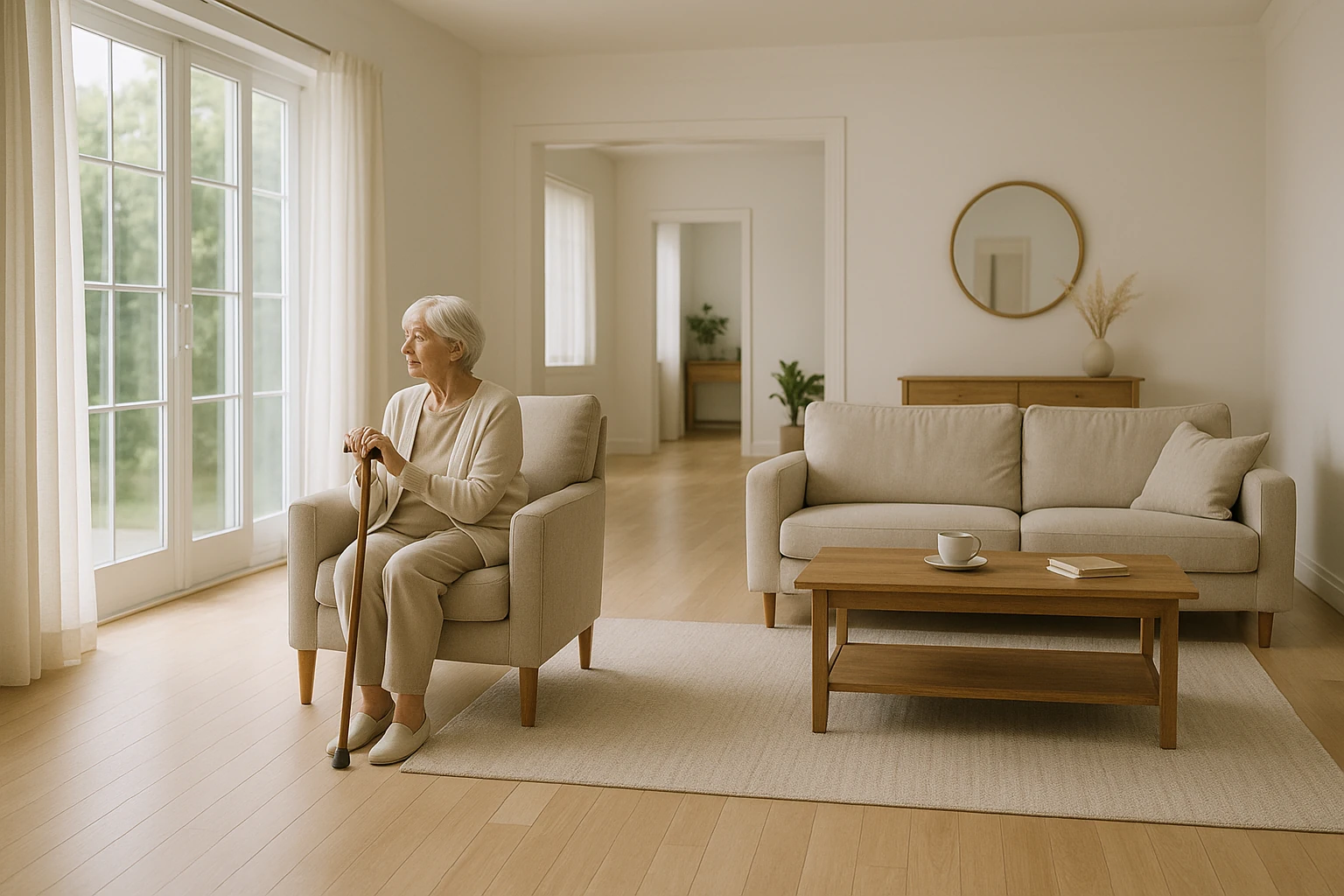
Now the rooms are quieter. The stairs feel longer. And keeping up with the house no longer feels like pride-it feels like pressure.
At KING COUNTY REAL ESTATE HELP, we're not here to tell you what to do with your home. We're here to help you think it through. Our materials are created for people like you - homeowners who've worked hard their entire lives and now face a different kind of challenge: living alone in a house that may no longer fit the person you've become.
This article outlines the most common difficulties older adults face when continuing to live alone in a full-sized home. You won't find solutions here-those live in other sections of our website-but you will find understanding and perspective. That's where better decisions begin.
The House Was Designed for a Full Life. But Life Changes.
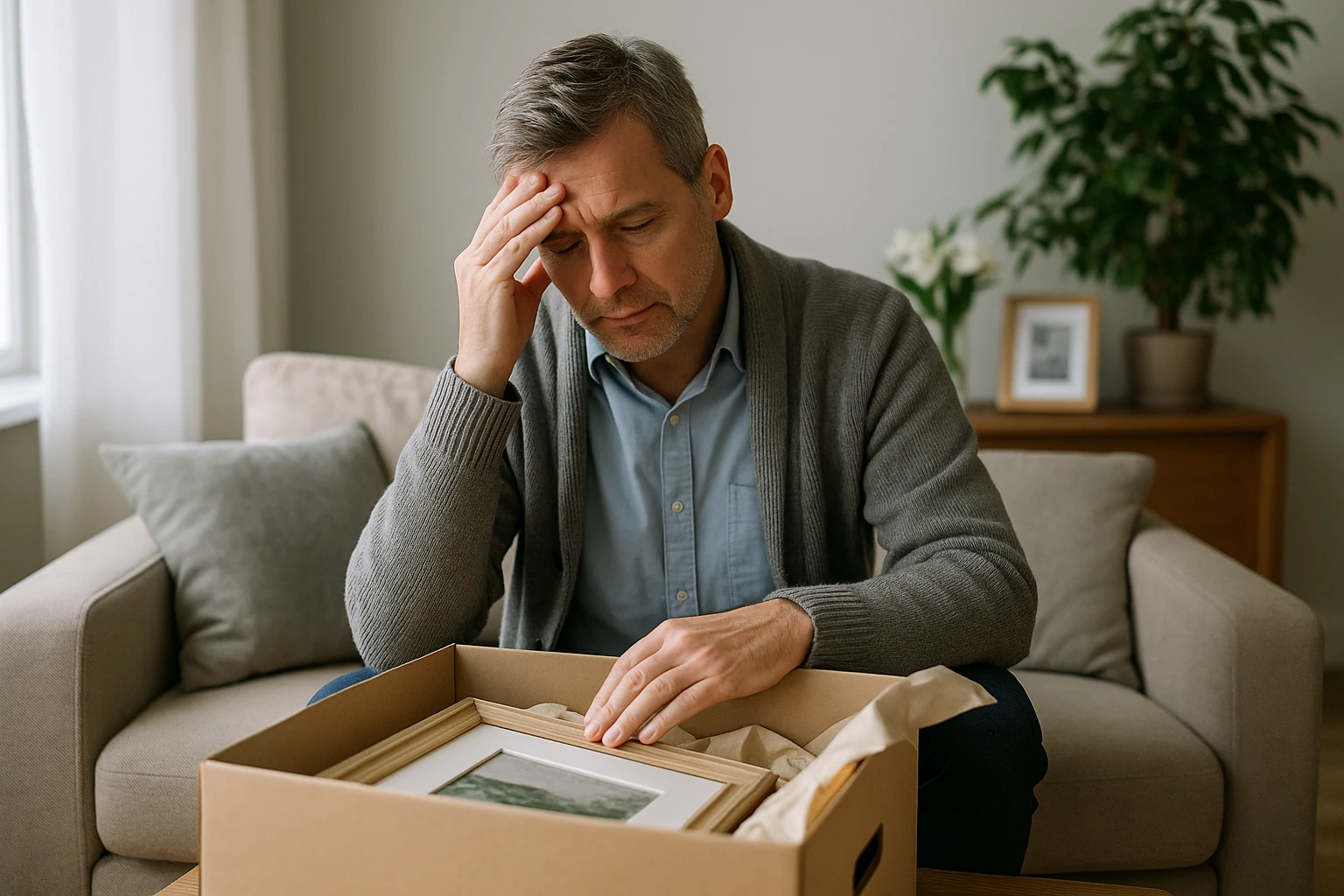
Many older homeowners remain in the same house long after their families have moved out or a spouse has passed away. At first, it's comforting-familiar rooms, cherished memories, a sense of control.
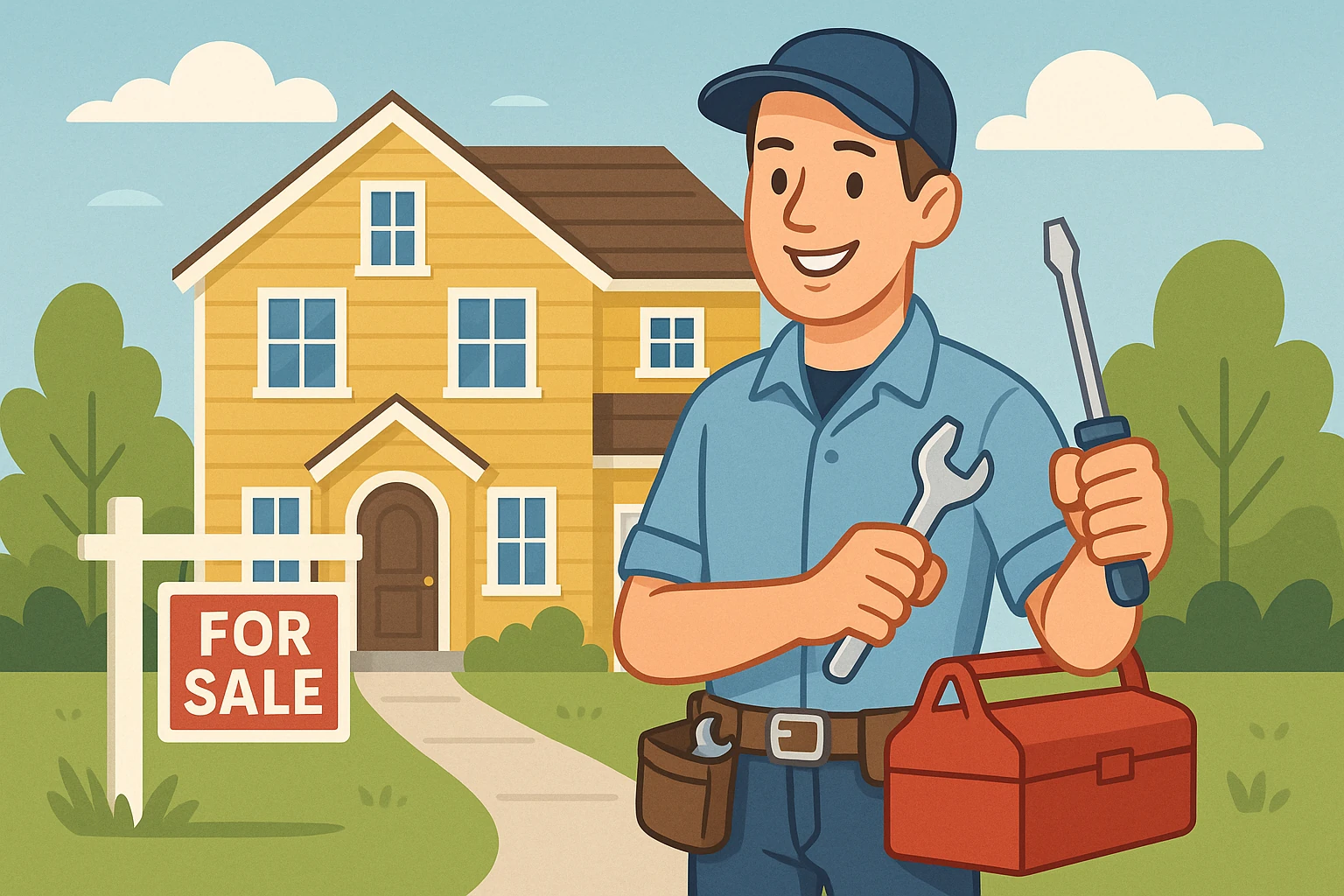
But over time, the upkeep begins to feel overwhelming. Cleaning multiple bedrooms. Heating empty rooms. Maintaining a yard that grows faster than you can manage. What once symbolized independence starts to feel like a burden.
And when there's no one around to help, even small chores can become exhausting.
The Layout No Longer Works for the Life You Live Now
You may find that everyday tasks are harder than they used to be. The stairs are tiring. The bathroom feels unsafe. The washer and dryer are in the basement. Light switches are out of reach.
Your home hasn't aged with you-and it wasn't built to.
This can increase the risk of accidents, injuries, and stress. It also adds to a growing sense of discomfort in your own space, even if you don't speak about it out loud.
Loneliness Isn't Just a Feeling-It's a Health Factor
Living alone comes with emotional weight. The silence can become heavier with time. There's no one to share meals with. No one to notice if you're having a hard day. And no one to remind you when something needs attention.
Isolation doesn't just affect mood-it affects health. Studies have shown that long-term loneliness can lead to depression, slower recovery times, and increased risk of heart-related illnesses.
Sometimes it's not the house that makes us feel stuck. It's the silence inside it.
Ongoing Costs Can Quietly Drain Your Budget
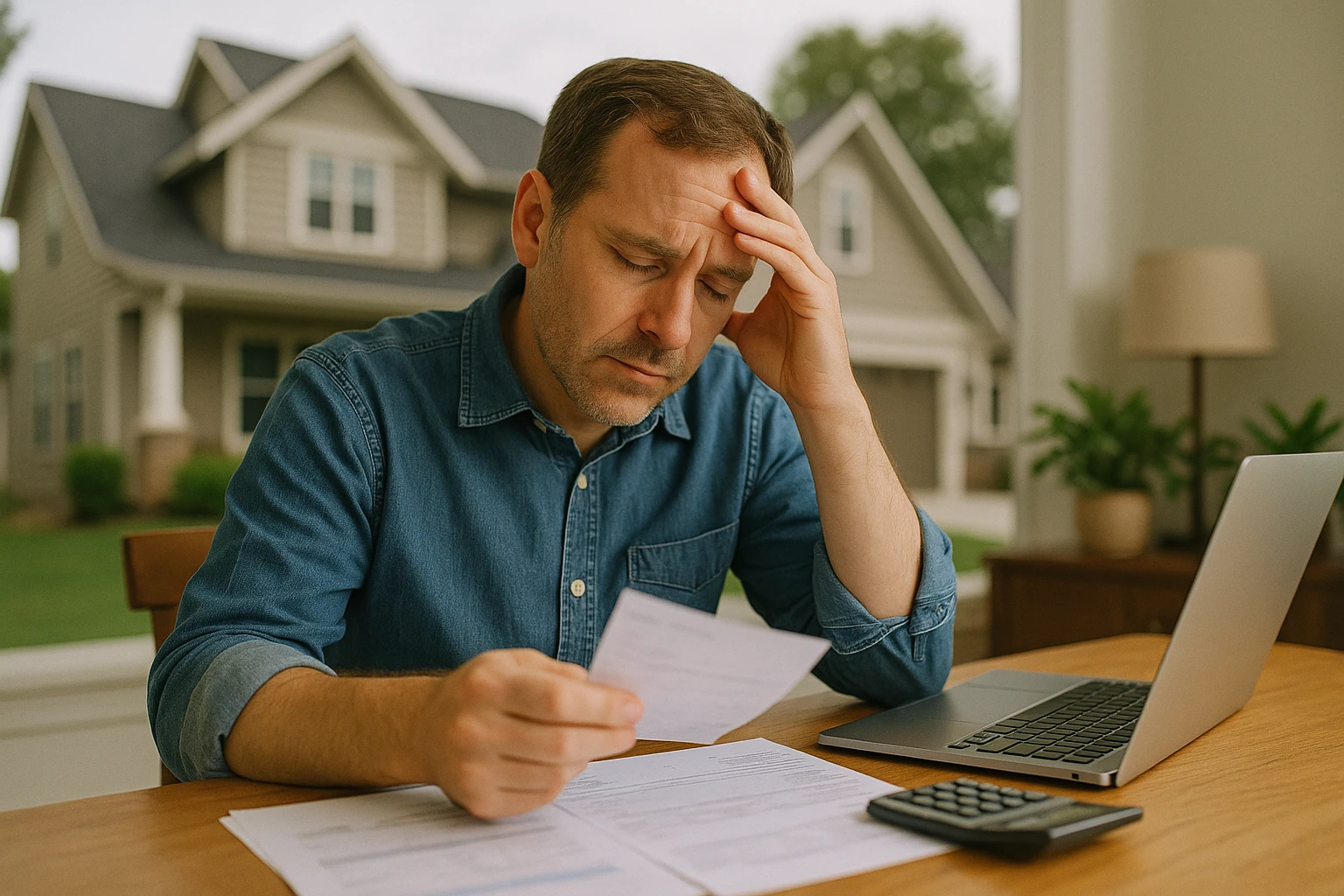
Property taxes rise. Utilities creep higher. Homeowners insurance increases with age and weather risks. If you're on a fixed income, these costs can quickly stretch your monthly budget.
The risk is not just falling behind. It's also the hidden stress of trying to make ends meet while pretending that everything is okay.
Case related tips