Natural Disasters: Windstorm Damage
Wind is invisible until it arrives. Then, it's everywhere. Ripping at your roof, bending your trees, shattering your calm.
In Washington State, windstorms may not always make national headlines, but for homeowners-especially those already navigating tight finances or recovering from life-changing events-they can cause more damage than meets the eye.
At KING COUNTY REAL ESTATE HELP, we exist to support homeowners, not renters, in evaluating their property-related situations-especially during times of financial or personal stress. We do not offer emergency response, insurance assistance, or one-on-one contact. But we provide one essential thing: clarity.
If a windstorm has struck your area, or if your home is showing signs of wind-related damage, this article outlines what you should pay attention to-and why it matters for your health, your stability, and your future.
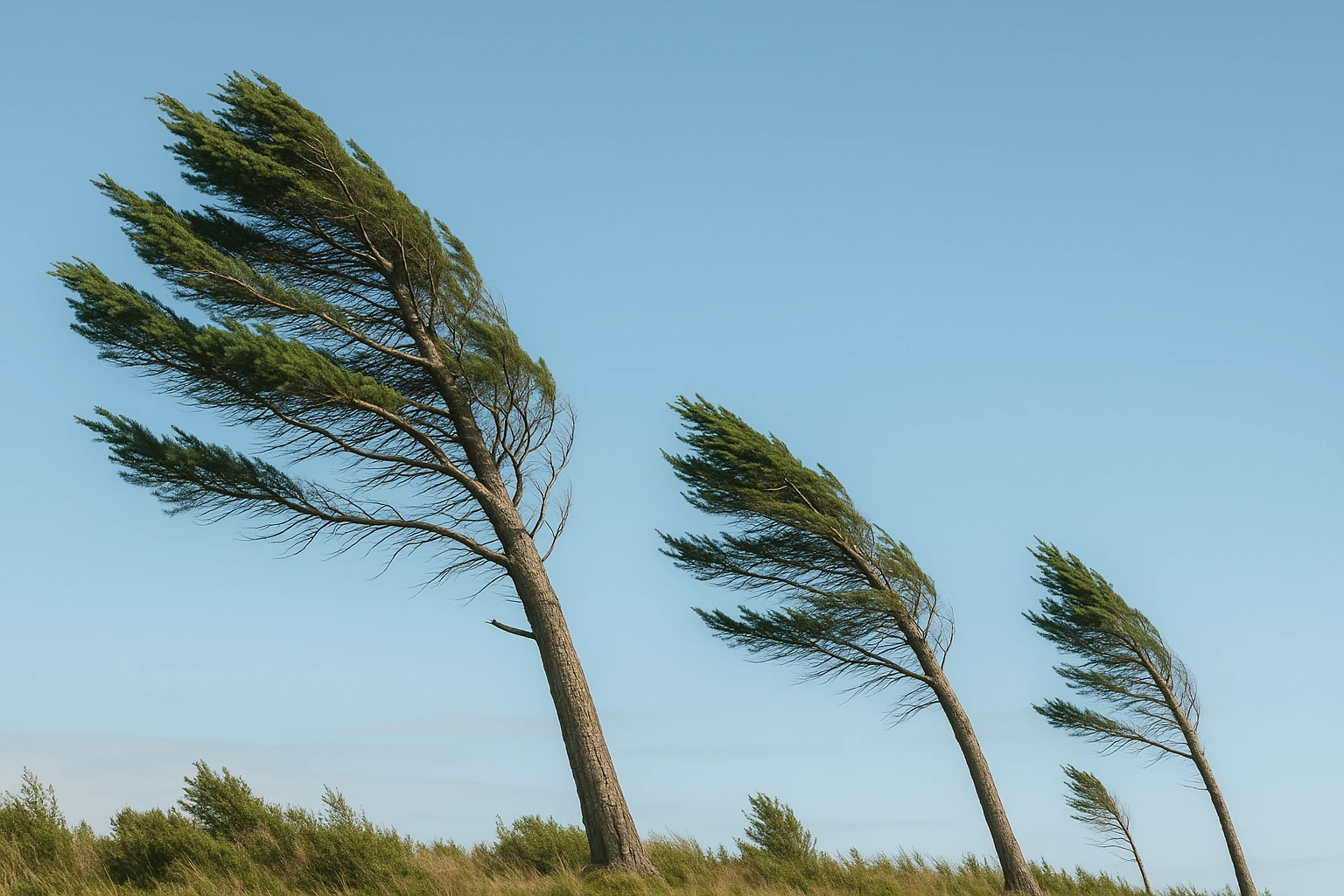
Not All Damage Happens in a Day
After a windstorm, the first thing most people look for is what's obviously broken. Downed trees, missing shingles, shattered windows. But wind damage doesn't always arrive with a loud crash. It creeps in-through loosened siding, lifted roofing edges, or cracked chimneys.
If left unaddressed, minor damage can turn into water leaks, mold growth, structural weakness, or insulation failure-issues that build silently until they're costly or dangerous.
And for homeowners already under pressure-financially, emotionally, or physically-these are the kinds of issues that tend to be pushed aside. We understand why. But the longer they're ignored, the heavier the burden becomes.
Homeownership After a Storm Is About More Than Repairs
There's a silent cost that often goes unspoken: stress.
After a storm, even if damage seems minimal, many homeowners carry a new kind of anxiety. Is the roof still sound? Will the next storm be worse? Can I afford to fix what's wrong?
And if you've already been dealing with job loss, illness, a divorce, or rising expenses, these questions don't just create worry-they can disrupt sleep, strain relationships, and lead to feelings of helplessness.
A house is meant to protect you. But after wind damage, it can start to feel like one more thing you're failing to hold together.
For Low-Income Households, the Risk Is Deeper
If you live paycheck to paycheck, you probably don't have a home maintenance fund. You may rely on older materials, legacy systems, or patchwork repairs done over time. That doesn't mean you're careless-it means you're resourceful.
But wind doesn't respect effort. A home with decades-old shingles or outdated gutters is simply more vulnerable. And if repairs are delayed-due to money, energy, or information-you may unknowingly be walking toward a bigger crisis down the line, like mold intrusion or roof collapse.
This is why understanding what to look for after a windstorm matters. Not for panic-but for prevention.
Common Issues That Often Go Unnoticed After a Windstorm
-
Small sections of roofing loosened, allowing slow leaks to develop
-
Detached or flapping siding that lets in moisture or pests
-
Fallen branches resting on gutters or rooflines, causing slow sag or water backup
-
Cracked windows or door frames that affect energy use and insulation
-
Subtle shifts in fencing or structural components due to pressure
These aren't always dramatic. But over time, they cause real harm-especially when compounded by the daily pressures many households already face.
You Deserve to Make Informed Decisions-Not Rushed Ones
At KING COUNTY REAL ESTATE HELP, we're not here to sell you services. We're not a contractor, insurance provider, or government agency. We're a nonprofit created to give you solid, judgment-free resources to help you evaluate your real estate situation, especially during tough life circumstances.
We know how life can shift without warning. A storm outside can mirror the storm within-a health crisis, a loss, a separation, a sudden drop in income. And when those things collide with real estate issues, the risk to household stability grows quickly.
That's why we've created guides, checklists, and articles right here on our website-to give you clarity when everything else feels uncertain.
If you've been affected by a windstorm, or simply want to understand what to watch for next time, we invite you to explore our free homeowner resources. They're designed for people like you-people who care about their homes, who carry heavy loads, and who just need a little help making the next smart decision.
No pressure. No sign-up. No calls. Just information-ready when you are.
KING COUNTY REAL ESTATE HELP Because your home is more than walls. It's your balance, your peace, and your anchor. Make decisions that protect it-with confidence.
Case related tips